Discover essential heating tips for care homes to ensure the warmth and safety of residents during the chilly winter months. This guide provides practical advice on maintaining optimal temperatures, enhancing energy efficiency and safeguarding the health and comfort of the elderly in your care.
From understanding the ideal heating settings to implementing cost-effective measures, we cover everything you need to know to navigate the colder weather with ease.
What Temperature Should A Care Home Be In The UK
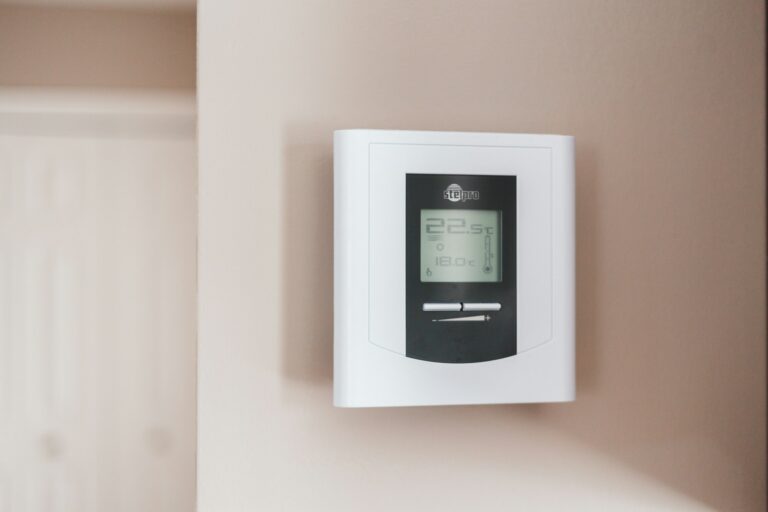
Both NICE and the UK government have set guidelines around what constitutes a comfortable indoor temperature for care homes.
These guidelines recommend that the temperature in care home communal areas should be set to around 21°C. It can be a little lower in bedrooms, where the minimum temperature should be no lower than 18°C.

Things For Care Home Managers To Consider
The guidelines also identify a number of other important points that can help a care home to manage their heating usage during cold spells. These include:
Identifying Vulnerable Residents and Tailored Heating Needs
Winter demands that care homes meet the heating needs of their most vulnerable residents. Limited mobility, health issues or sensitivity to cold may increase these needs.
Care homes must assess and identify residents needing warmer temperatures or more layers. Tailoring heating plans for these needs ensures a caring, healthy environment for all. This approach shows deep respect for each resident’s well-being.
Hydration and Health: Managing Dry Air in Heated Environments
Warm environments in care homes are crucial during cold months, but it’s vital to also tackle dry air from heating. This dryness can cause dehydration, especially in the elderly with less thirst.
Care homes need to ensure easy water access and promote drinking. Humidifiers in shared spaces and rooms can keep humidity levels comfortable, protecting respiratory and skin health.
By managing warmth and moisture, care homes support their residents’ well-being all winter.
Emergency Preparedness: Heating Systems and Power Outages
The unpredictability of winter weather necessitates a robust emergency preparedness plan in care homes, especially when it comes to heating.
Sudden cold snaps, power outages or heating system failures can pose significant risks to the well-being of residents. Care homes must have contingency plans in place.
These should include: backup heating options like portable heaters, emergency contact lists for rapid repair services and clear protocols for keeping residents warm and safe during such events.
Regular drills and staff training ensure that everyone knows how to act swiftly and efficiently, minimising discomfort and health risks for residents.
Ensuring Adequate Clothing Is Available
Adequate clothing is key for resident warmth and comfort in care homes during winter. As it gets colder, warm and accessible clothing is crucial for protection.
Care homes need to provide a variety of warm clothes, like sweaters and slippers, suited to each resident’s needs. They should also offer adaptive clothing for those with mobility issues, ensuring warmth without sacrificing independence.
Pre-Winter Heating System Checks and Maintenance
It goes without saying that one very important thing that care homes should be doing and this should really be done in the run up to cold weather, is to have the heating system checked.
This will ensure that everything is running as it should be and that there are no problems that could mean you are using more heating than you should be or that your heating is not reaching the appropriate temperatures. You should also be reaching out to your energy supplier for advice if the rising cost of energy is impacting how you are able to heat the care home.
Regular maintenance will also spot any problems that might need fixing in the near future, which can help you to plan repair work at a time that will cause the least disruption to your residents.
When carrying out your pre-winter heating system checks, it’s important to obtain a valid gas safety certificate for your care home. Understanding the gas safety certificate cost can help you budget for this essential compliance check and ensure all gas appliances remain safe throughout the colder months.
Emotional Well-Being Of Residents – Combating the Winter Blues with Adequate Heating
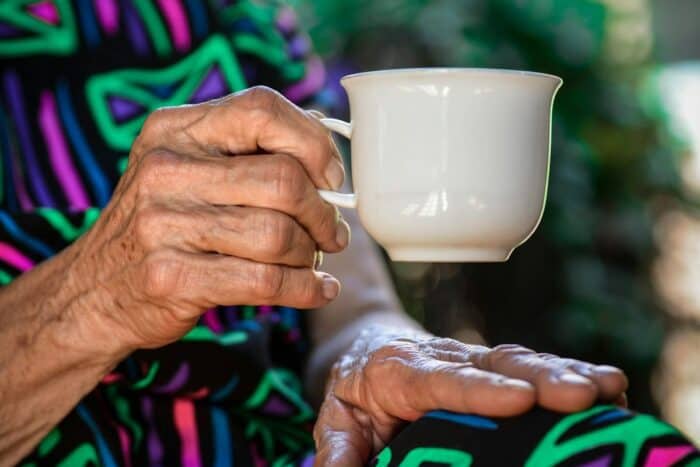
The impact of colder weather on the emotional well-being of care home residents cannot be underestimated. As daylight hours shorten and outdoor activities become less feasible, it’s crucial to maintain a warm and inviting atmosphere indoors.
Adequate heating plays a pivotal role in this, as a comfortably warm environment can significantly uplift spirits and promote a sense of well-being. Care homes should ensure communal areas are cosy and welcoming, encouraging residents to socialise and engage in indoor activities.
This approach not only combats the winter blues but also fosters a supportive community, helping residents to feel connected and cared for during the challenging winter months.
Encouraging Flu Vaccinations in a Warm Environment
During the colder months, the significance of flu vaccinations in care homes becomes increasingly pronounced. In an environment where residents live in close quarters, the flu can spread rapidly, posing a serious risk to their health, particularly for those with weakened immune systems.
Care homes play a crucial role in facilitating and encouraging flu vaccinations, ensuring that both residents and staff are protected. By maintaining a warm and comfortable setting, care homes can alleviate any discomfort associated with receiving the vaccine, making the experience as pleasant as possible.
Furthermore, educational sessions can be organised to inform residents of the benefits of the flu vaccine, dispelling any myths and addressing concerns.
Wrapping Up Winter Heating Tips For Care Homes
Managing a care home and looking after residents during winter goes beyond just adjusting the thermostat. It’s about ensuring warmth, safety and comfort for all residents.
This involves checking the heating, providing warm clothes and promoting flu shots. Each action significantly boosts residents’ life quality. Focusing on hydration, emergency plans and vulnerable individuals is key for thorough winter care.
A care home’s winter warmth stems from careful efforts that foster community, well-being and safety.
