
Updated August 2026
To encourage curiosity in children, give them safe chances to explore, ask questions, try new activities, solve problems and follow their interests. Curiosity grows when children feel confident enough to wonder, test ideas and learn through everyday experiences, not just formal lessons.
That does not mean turning every moment into a mini classroom, because honestly, nobody needs that pressure while trying to make tea and find a missing school shoe. It simply means giving children space to notice things, ask “why?” and discover how the world works.
In this parenting guide, we look at practical ways to encourage curiosity in children at different ages, from toddlers exploring through play to older children and teenagers developing research, reasoning and critical thinking skills.

Understanding Curiosity in Children
What is curiosity?
Curiosity is that natural itch to learn, discover, and make sense of the world. It’s what drives kids to explore new things, ask endless questions and soak up new information like little sponges.
How curiosity shows from a young age
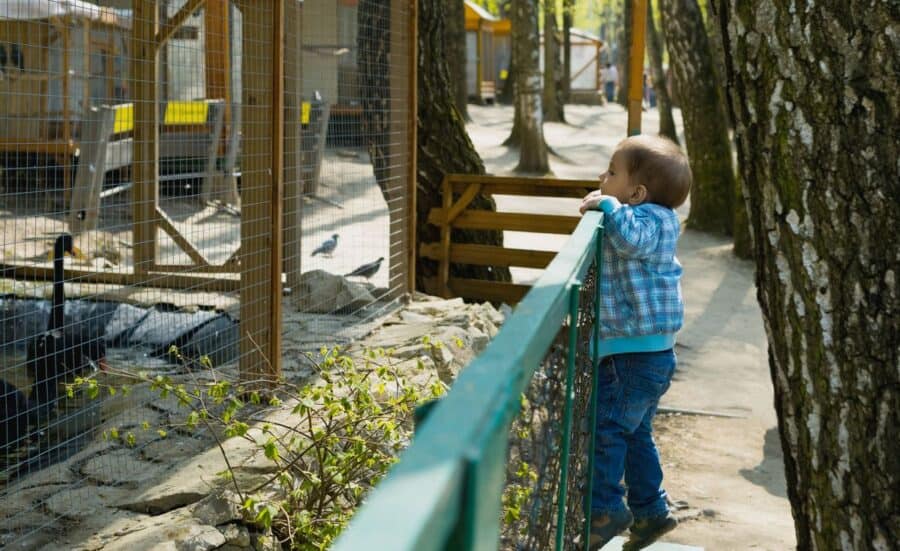
You’ll see curiosity in kids when they bombard you with “why” questions, take apart toys to see what’s inside or wander around new places with wide-eyed wonder. These behaviours are key to their development and should be encouraged, not stifled.
The Emotional Side of Curiosity
As children grow and develop, their curiosity takes on new forms, requiring different approaches at each stage.
- Building Confidence: Children are more likely to explore and ask questions when they feel supported and confident. Encourage their efforts, even when they make mistakes.
- Handling Fear of the Unknown: Address any anxiety or fear they might have about new experiences. Create a safe environment where they feel comfortable stepping out of their comfort zone.
- Positive Reinforcement: Celebrate their curious moments. Whether it’s discovering how a toy works or asking a thought-provoking question, positive reinforcement can fuel further curiosity.
Now that we understand what curiosity looks like in young children, let’s take a look at how to encourage this curiosity at different stages of their development.

Encouraging Curiosity in Different Age Groups
As children grow, their curiosity evolves, and the ways we nurture it need to adapt. What sparks a toddler’s interest might not have the same effect on an older child. Here’s how you can tailor your approach to spark and encourage their natural curiosity:
Infants and Toddlers (0-3 Years)
At this stage, children are naturally curious about everything around them as they begin to explore their senses and basic motor skills. Here’s how to nurture their curiosity:
- Sensory Exploration: Provide toys and objects with different textures, sounds and colours. Let them touch, taste and feel safe, everyday items.
- Simple Cause and Effect: Encourage play with toys that respond to their actions, like blocks they can stack or buttons that light up when pressed.
- Naming and Explaining: Talk to them about everything they see and do, naming objects and explaining actions to build their understanding of the world.
- Encourage Movement: Allow plenty of space for crawling, walking and exploring their surroundings. Safe exploration is key at this age.
How do toys stimulate curiosity at an early age?
Children’s developmental toys are designed to encourage toddlers and infant children to explore the world around them in a safe environment. Usually made from soft-to-touch materials and vibrant colours, little ones simply can’t resist their allure!
Take foam playgrounds for example – the plush feel of the foam and the excitement of clambering over various elements is enough to invoke a tot’s curiosity.
Whilst toddlers can’t comprehend why playing is more than just entertainment and is vital for their development, the anticipation toys create invites children to explore them further, aiding their growth.
Preschoolers (3-5 Years)
Preschoolers are full of questions and eager to learn about how the world works. They’re beginning to use their imagination and reasoning skills:
- Why Questions: Answer their endless “why” questions with patience. Encourage them to think about possible answers before providing your own.
- Creative Play: Offer toys and activities that let them use their imagination, like dress-up clothes, building blocks and art supplies.
- Interactive Reading: Choose books that are interactive or allow them to predict what will happen next. Ask them questions about the story.
- Outdoor Exploration: Take them outside to explore nature. Simple activities like looking for bugs, collecting leaves or observing clouds help to develop curiosity abou the world around them.
Primary School Children (6-8 Years)
At this age, children are starting to develop their own interests and enjoy learning new things, often through structured activities:
- Hands-On Learning: Engage them in simple science experiments, cooking or crafting projects that allow them to see how things work. Discover how to make science interesting for kids and watch their curiosity grow.
- Encourage Problem-Solving: Present them with puzzles or challenges that require thinking and problem-solving. Let them figure things out on their own before offering help.
- Support Hobbies: Encourage exploration of hobbies like music, sports or art. Let them dive into areas they show interest in, even if it’s just a phase. For more ideas, these unique hobbies for children may help them try something different and discover a new interest.
- Field Trips: Visit museums, zoos or science centres where they can learn more about the world in an interactive way.
Older Children (9-12 Years)
Older children are more independent and capable of deep thinking. They can handle more complex topics and enjoy exploring their interests in detail:
- Encourage Research: If they’re curious about a topic, help them find books, websites or documentaries to learn more on their own.
- Promote Critical Thinking: Ask them to consider different perspectives on a topic or solve more complex problems. Encourage them to ask “how” and “what if” questions.
You can also support this at home with books and learning resources that suit their age and help them explore bigger ideas in a structured way. You can get books and learning resources from tuttletwins.com that are age-appropriate and encourage critical thinking. - Encourage Group Activities: Encourage group projects or activities where they can collaborate with peers, such as building something together or participating in team sports.
- Connect Learning to Real Life: Show them how what they learn in school applies to the real world. For example, use math in cooking or science in gardening.
Teenagers (13+ Years)
By this age, teenagers are developing their own identities and often seek out more sophisticated, abstract or challenging ideas:
- Encourage Self-Directed Learning: Support their independent research or projects on topics they are passionate about, whether it’s technology, art or social issues.
- Debate and Discuss: Engage them in discussions or debates about current events, ethical dilemmas or complex topics that interest them. Encourage your teenager to form and voice their own opinions.
- Support Deep Dives: If they have a specific interest, help them find resources, mentors or communities where they can dive deeper into that subject.
- Real-World Experiences: Provide opportunities for internships, volunteering or travel to expand their understanding of the world and how it works.
Connecting Curiosity with Life Skills and Future Learning
Preparing Your Child for Future Challenges
- Problem-Solving in Real Life: Show them how curiosity can solve everyday problems, from fixing a broken toy to planning a family outing. This connection helps them see the practical value of being curious.
- Career Exploration: As children grow, connect their curiosities to potential careers. If they’re fascinated by space, discuss careers in astronomy or engineering. If they love animals, explore roles in veterinary medicine or wildlife conservation.
- Long-Term Projects: Encourage long-term projects that allow for deep exploration, such as building a model, creating a garden or conducting a science experiment. These projects teach patience, persistence and the joy of discovery.
Helping Children Stay Curious As They Grow
Encouraging curiosity in children does not need to be complicated. It starts with noticing what interests them, answering questions when you can, admitting when you do not know something and helping them find out more.
Whether your child is exploring through sensory play, asking endless questions, getting stuck into hobbies, researching a new topic or debating big ideas, curiosity helps them build confidence, problem-solving skills and a love of learning.
The best thing you can do is keep the door open. Give them space to ask, explore, make mistakes and try again. That is where real learning starts.
