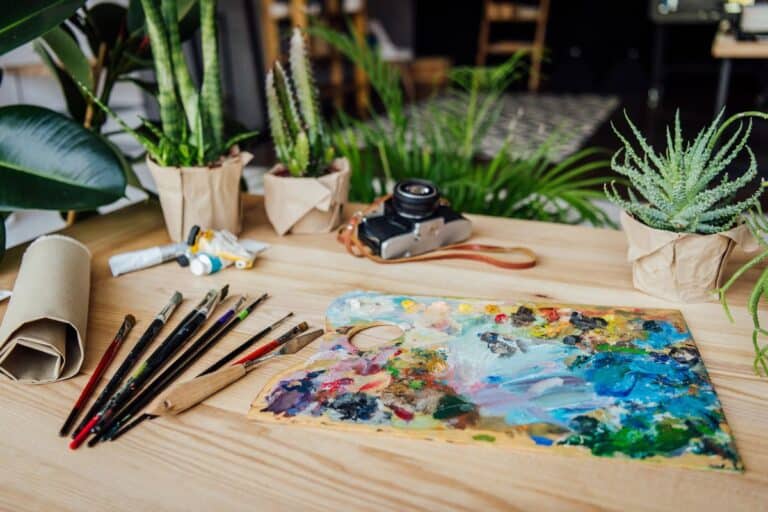
Have you ever felt like your hobbies have lost their spark? Maybe you’re going through the motions, gardening the same way, writing in the same style or crafting without excitement.
The truth is, hobbies are the perfect outlet for creativity and with a fresh perspective, they can reignite your passion and bring even more joy into your life.
Whether you’re looking to improve your skills or simply add excitement to your favourite pastimes, exploring new ways to unleash creativity in your hobbies can transform them into something truly fulfilling.
Here’s why creativity matters!

Why Creativity Matters in Your Hobbies
Hobbies aren’t just a way to pass the time, they’re vital for your mental health, self-expression and personal development. Engaging in creative activities can help reduce stress, boost your mood and provide an outlet to explore new ideas and possibilities.
Imagine coming home after a long day and immersing yourself in the rhythm of painting, crafting or tending to your garden. These small moments of focus and relaxation can work wonders for your mind and body.
What’s more, hobbies that challenge your creativity also help you grow. Trying new techniques, materials or approaches allows you to discover hidden talents and develop skills like adaptability and resilience, which extend far beyond your chosen pastime.
Practical Tips to Spark Creativity in Your Hobbies
If you want to bring more creativity into your hobbies, these simple yet effective techniques can help:
- Experiment with Different Approaches: Painters can try new tools like palette knives or sponges, while writers might explore a completely different genre. Gardeners could experiment with innovative techniques like vertical gardening or permaculture.
- Embrace Imperfection: Stop aiming for perfection and enjoy the process. That wobbly pottery bowl or messy painting isn’t a failure, it’s part of your journey. Mistakes often lead to the most unexpected and rewarding outcomes.
Tools to Unlock Creative Thinking
When you’re feeling stuck or uninspired, the right tools can help you unlock your creative potential and see your hobbies in a whole new light. Here are some tried-and-tested methods and techniques to encourage fresh ideas and innovative thinking:
1. Mind Mapping
Creating a mind map is an excellent way to brainstorm and organise your thoughts visually. Start with a central idea, such as “upcycling projects” or “short story ideas” and branch out into related themes, materials or techniques.
This approach helps you generate ideas quickly and identify creative connections you might not have seen before.
How to Get Started:
- Use pen and paper or a digital tool like Miro, Canva.
- Focus on one core concept and let your thoughts flow freely, adding branches as they come.
- For example, if your central idea is “seasonal crafts” your branches might include “natural materials”, “holiday themes” or “gift ideas.”
2. Journaling or Sketchbooks
Keeping a creative journal or sketchbook is a great way to capture fleeting ideas, experiment with designs or document inspiration from everyday life. A journal provides a judgement-free space to explore your thoughts and develop them over time.
Ideas to Try:
- Start with daily prompts, like “What inspired me today?” or “What would I create if there were no limits?”
- Use your journal to track projects, list goals, a life plan or sketch out new ideas.
- Writers can experiment with character ideas or plot outlines, while artists can play with colour palettes or quick doodles.
3. Mood Boards
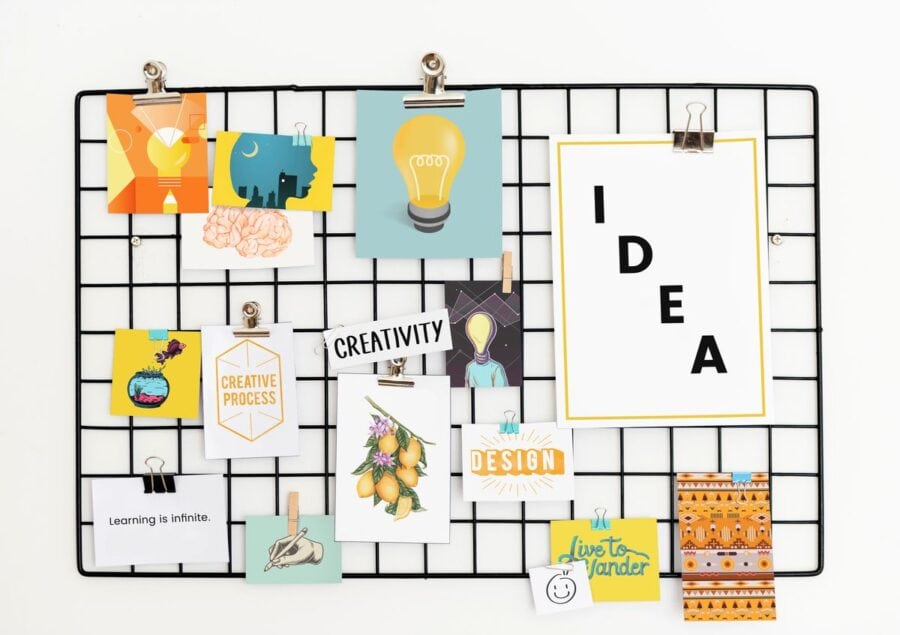
A mood board is a collection of images, colours and materials that reflect a theme or idea. It’s especially useful for visualising projects like art, DIY crafts or even writing settings.
How to Create a Mood Board:
- Use physical materials like magazines, fabric swatches and photos or digital platforms like Pinterest or Canva.
- Choose a theme, such as “coastal garden” or “retro crafts” and gather items that inspire you.
- Refer back to your mood board whenever you need a boost of inspiration or want to stay on track with your project’s vision.
4. Creative Prompts and Challenges
Sometimes, all you need to spark creativity is a little push. Creative prompts or challenges can help you break out of your usual routine and try something new.
Examples of Prompts:
- Writers: Write a story that begins with the sentence, “The clock struck twelve and nothing happened.”
- Artists: Create a piece using only two colours.
- Gardeners: Design a small garden that mimics a natural ecosystem.
- Crafters: Use only materials already in your home to create a new project.
5. Apps and Digital Tools
There are plenty of apps and digital resources designed to inspire creativity and organisation:
- Procreate for digital art.
- Scrivener for writers who need help structuring large projects.
- Pinterest for hobbyists looking for a visual inspiration library.
- Trello or Notion for organising your creative projects and tracking progress.
6. The Power of Randomness
Sometimes, stepping out of your comfort zone is the best way to spark fresh ideas. Use randomness to challenge your usual thought process:
- Idea Dice: Roll dice or spin a wheel with different themes, materials or prompts to create unexpected combinations.
- Word Association: Start with one word and jot down everything it makes you think of until you stumble upon an idea.
- Switch It Up: If you’re a writer, try painting. If you’re a crafter, try gardening. Engaging with a completely different hobby can stimulate your creativity in surprising ways.
7. Finding Inspiration in Everyday Life
The best ideas often come from the world around you. Here’s how to tap into everyday inspiration:
- Nature as a Muse: A walk in the woods, a park visit or even your garden can inspire colour palettes, themes or story ideas.
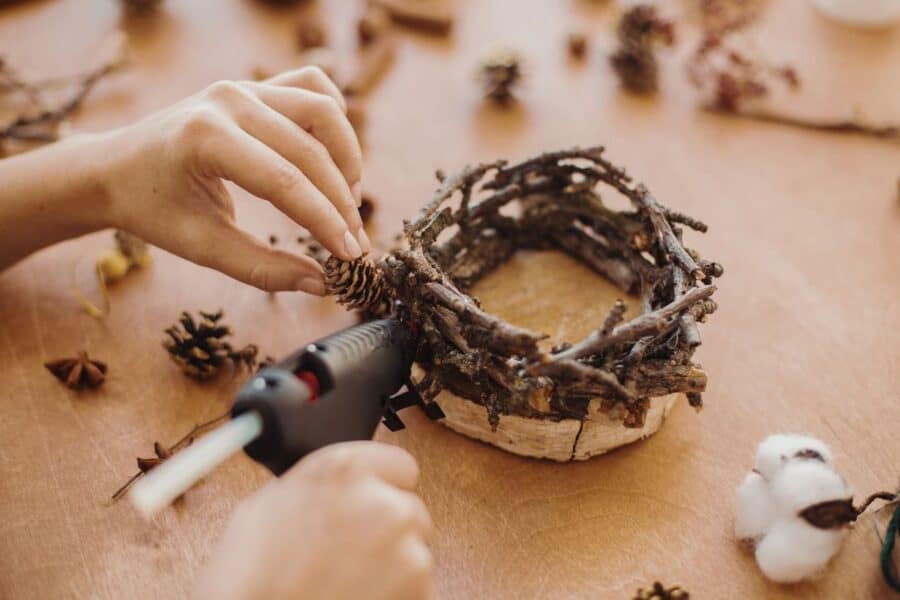
- See Potential in the Ordinary: Everyday objects and routines can spark creativity. Turn old jars into plant holders, write a poem inspired by the people you meet or craft something unique from household items.
- Connect with Communities: Social media platforms like Pinterest and Instagram are filled with creative ideas, while local workshops and craft fairs provide fresh perspectives and the chance to meet like-minded people.
8. The Power of Collaboration in Creative Hobbies
Creativity thrives when it’s shared. Working with others not only sparks fresh ideas but also helps you improve your skills.
- Learn from Others: Join online groups, forums or local clubs to share advice and gain insights. For instance, a gardening group could introduce you to rare plants, while a writing circle might help you explore new storytelling techniques.
- Collaborate on Projects: Partnering with someone on a creative project, such as a co-writing a story, crafting together or starting a community art initiative, can be both inspiring and rewarding.
Staying Inspired – How to Keep Creativity Alive
Creativity is like a muscle, the more you use it, the stronger it gets. Stay curious, try new techniques and enjoy the twists and turns of your creative journey. The beauty of creativity is that no two paths are the same, making your hobbies uniquely yours.
So, pick up that paintbrush, pen or trowel and start exploring the endless possibilities waiting in your favourite pastimes.
