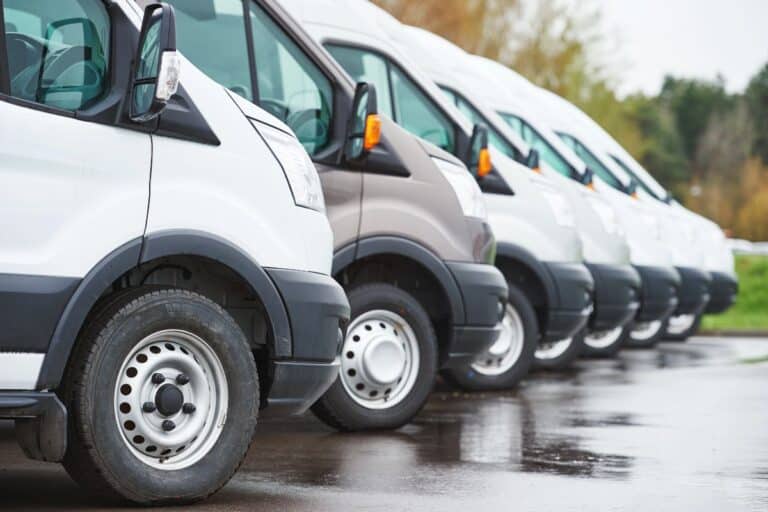
If your small business runs two or more vehicles, switching to a multi-vehicle policy can be a smart move.
In plain English: it puts several If your business runs 2+ vehicles, a multi-vehicle policy can be a simpler way to insure them. In most cases it means one renewal date, less paperwork and easier oversight than managing separate policies for every car or van.
It won’t always be cheaper (insurance loves to keep us humble), but for many UK SMEs the admin and risk reduction alone makes it worthwhile.
Streamlined administration and fewer renewal headaches
If you’re trying to reduce fleet admin without overcomplicating things, options such as multi car insurance can help you bring multiple vehicles under one setup, which often means fewer documents, fewer moving parts, and fewer chances to miss a renewal.
When every vehicle has its own insurer, renewal date and paperwork trail, admin becomes a low-level stress that never ends. A multi-vehicle policy usually simplifies things by giving you:
- one renewal date (goodbye calendar chaos)
- one set of documents (faster when you need proof of cover)
- less chance of a lapse (because you’re not tracking multiple deadlines)
- simpler record-keeping across drivers and vehicles
If you’re tightening up business operations generally, learn how to streamline small business processes with this handy guide.
Cost efficiencies and easier budgeting
Let’s be real, insuring vehicles individually is rarely the most efficient route for a growing business. Even when the premium isn’t dramatically lower, businesses often switch because multi-vehicle cover can make costs more predictable.
Potential upsides include:
- fewer duplicated fees and admin add-ons
- clearer budgeting (one policy cycle instead of several)
- easier comparisons at renewal (one decision, not five)
Better oversight (and a clearer route to greener choices)
Centralising cover can make it easier to see what’s happening across your vehicles, because you’re not pulling info from multiple providers.
That “single view” helps you spot:
- which vehicles are used most (and where fuel spend is highest)
- mileage patterns and route inefficiencies
- which vehicles are most expensive to run
- recurring issues that increase risk (and claims)
If sustainability is part of your plan, check out: ways to make a small business eco-friendly.
Flexibility for an evolving team
Small businesses change fast. New hires, new contracts, new routes… and suddenly you need an extra vehicle or a replacement yesterday.
Multi-vehicle policies are often designed to be more adaptable, for example allowing you to:
- add a vehicle mid-term
- replace a vehicle without rewriting everything
- update driver details with less friction
Just check the provider’s rules around mid-term changes, fees and how quickly updates are applied.
For broader risk planning, take a look at: how to protect your small business from everyday risks.
Multi-vehicle vs fleet insurance (quick difference)
These two get mixed up a lot:
- Multi-vehicle: often aimed at SMEs with a handful of vehicles
- Fleet insurance: typically designed for larger fleets and may be structured differently
The right fit depends on vehicle count, driver setup, usage type and how often your fleet changes.

What to check before you switch (the important bit)
This is where people get caught out, not on the headline price, but the small print.
Before moving to a multi-vehicle policy, check:
- Business use level – does it match real life (deliveries, site visits, client travel)?
- Who can drive – named drivers only or wider permissions?
- Vehicle mix – cars, vans, mixed use (all accepted)?
- Cover levels – can you tailor cover per vehicle?
- Excess + exclusions – what’s the real cost if you claim?
- Mid-term changes – adding/removing/replacing vehicles (fees/process)?
- No claims discount – how is it handled across vehicles/drivers?
- Claims handling – one point of contact or multiple processes?
This internal link is a good “bigger picture” companion: types of small business insurance.
Quick wins to reduce vehicle costs (while you’re here)
If you’re reviewing insurance, it’s the perfect time to tighten running costs too:
Mini FAQ: multi-vehicle policies for small businesses
Is multi-vehicle cover always cheaper than separate policies?
Not always. Some SMEs save money, but many switch for simpler renewals, less admin and fewer chances of missed cover.
Can I add or remove vehicles mid-policy?
Often yes, but fees and timelines vary. Always ask how mid-term changes work before committing.
Is multi-vehicle insurance the same as fleet insurance?
Not necessarily. Fleet cover is often aimed at larger numbers, while multi-vehicle policies can suit smaller setups.
What’s the biggest benefit for most SMEs?
One renewal date, fewer documents, and less policy juggling as the business grows.
Final thought
If you’re running 2 or more vehicles, a multi-vehicle policy can be one of those boring-but-brilliant upgrades: less paperwork, simpler renewals, clearer oversight, and fewer admin mistakes waiting to happen.
