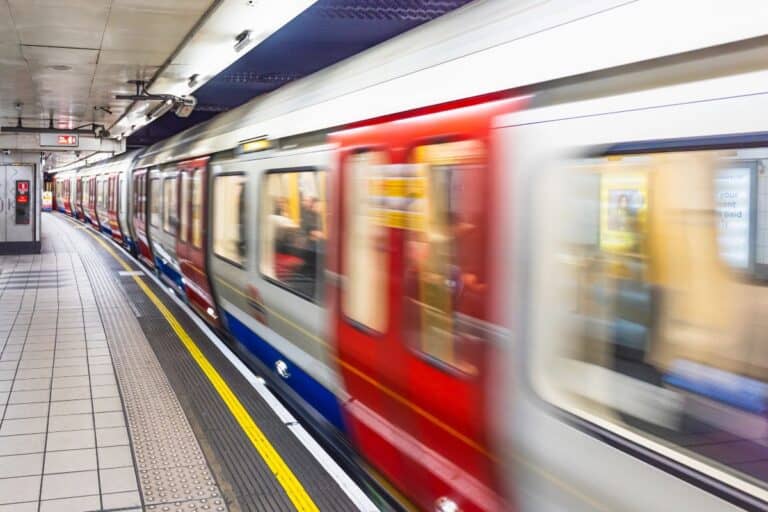
Relocating to London means choosing the right area, understanding transport, budgeting properly, sorting housing early and preparing for a faster pace of life. The capital is exciting, but it can also feel expensive, busy and overwhelming if you arrive without a plan.
Before moving to London, it helps to research neighbourhoods, compare living costs, check commute times and get your practical admin organised before moving day.
Here’s what you should know before relocating to London.
Choosing The Right Area To Live in London
One of the biggest decisions you will make when relocating to London is where to live.
London is not one single “type” of place. Every borough, and often every neighbourhood, has its own personality. Some areas feel fast-paced and central, while others are quieter, greener and more family-focused.
Having lived in Uxbridge in outer West London years ago, I know how different London can feel once you move away from the busiest central areas. Quieter, greener neighbourhoods can make the capital feel much more manageable.
Before choosing an area, think about:
- Your monthly rent or mortgage budget
- Commute time to work or school
- Access to public transport
- Local shops, parks and amenities
- Safety and community feel
- Nearby schools, nurseries or childcare if needed
- Whether you want busy city life or a calmer residential area
If you are moving with children, or you are thinking long-term, it is worth looking beyond the property itself. The practical things that matter when buying a family home become even more important in a city like London, where space, schools, transport and budget all need to work together.
It is worth spending time researching different areas properly before you commit. Property websites are useful, but so are local Facebook groups, Reddit threads and community forums. They often give you a much more realistic feel for what an area is actually like day to day.
If you can, visit the area at different times of day. A street that feels calm on a weekday morning might feel completely different on a Friday night. London likes to keep you on your toes.

Finding Somewhere To Live In London
Finding a home in London can move quickly, especially in popular areas. Good properties do not always hang around for long, so it helps to know your budget and paperwork in advance.
You may need:
- Proof of income
- References
- ID documents
- Deposit money ready
- Details of your employment or guarantor
- A clear idea of your preferred areas
Before you start booking viewings, get clear on what you can actually afford. London prices can be eye-watering, so knowing how to find your dream home within your budget can help you balance location, space and monthly costs without getting completely carried away.
Estate agents in London are one of the best ways to find a new home, especially if you are not familiar with the area and need help understanding the local market.
A good estate agent can help you compare neighbourhoods, understand realistic prices and move quickly when the right property becomes available. This can be especially useful if you are relocating from another part of the UK and cannot view every property in person.
That said, always do your own checks too. Look at transport links, local amenities, travel times and reviews of the area. No one wants to move in and then discover the “short walk to the station” is actually a 25-minute uphill hike in the rain.
Navigating The Practicalities Of Moving
There are always logistics to think about when relocating, and London moves can feel even more intense because everything tends to happen quickly.
Before you get lost in viewings, paperwork and packing chaos, it helps to understand what to consider when moving house so you can plan the boring-but-important jobs early. Not glamorous, no, but future you will be very grateful.
It is also worth creating a checklist of tasks that need to be completed before the move so that you can get everything done in advance and avoid a last-minute rush.
Your checklist might include:
- Confirming your moving date
- Booking removals or hiring a van
- Sorting your deposit and first month’s rent
- Updating your address
- Setting up utilities
- Arranging broadband
- Redirecting post
- Registering with local services
- Packing room by room
Once the moving date is confirmed, the packing suddenly becomes very real. A few simple packing tips for moving house can make a huge difference, especially if you want fewer mystery boxes and less “where on earth is the kettle?” drama on moving day.
If you are downsizing into a smaller London flat, it may also be worth thinking about storage. Some people use short-term or longer-term storage while they work out what they actually need in their new space, especially if they are moving from a larger home.
Registering For Local Services
Once you have a London address, there are a few practical jobs to sort out.
These are not glamorous, but they do make life much easier once done:
- Register with a local GP
- Find a dentist
- Update your address with your bank and employer
- Register for council tax
- Set up utilities
- Arrange broadband
- Update your driving licence if needed
- Register children with schools or childcare providers
- Check bin collection days
- Find your nearest pharmacy, supermarket and post office
If you are leaving a rented property behind, build time into your moving plan to clean a house before moving out properly. It is one of those jobs that sounds manageable until you are staring at the oven door wondering what life choices led you here.
A moving checklist can help you stay organised and avoid that horrible “I know I’ve forgotten something” feeling at 11pm.

Getting Used To London Life
London can feel overwhelming at first. It is busy, noisy and fast-moving, especially if you are relocating from somewhere smaller.
The pace of life can take some adjusting to, but you do not have to do everything at once. Start by getting to know your local area before trying to conquer the whole city.
Find your nearest:
- Park or green space
- Favourite coffee spot
- Supermarket
- Library
- Gym or fitness class
- Train or Tube station
- Local pub or restaurant
- Community group or club
Little routines make a huge difference when you are settling somewhere new. Even something as simple as finding your favourite walking route can help London feel less like a giant maze and more like home.
It also helps to understand a few everyday British etiquette rules, especially if you are new to the UK. Queues, polite small talk, over-apologising and saying “sorry” when someone else bumps into you are basically unofficial life skills here.
Enjoying London Without Burning Out
There is always something to do in London. Museums, markets, theatres, restaurants, parks, exhibitions, concerts, pop-ups and events fill the calendar all year round.
That is brilliant, but it can also become exhausting if you feel pressure to do everything.
Give yourself permission to enjoy London slowly. You do not need to visit every famous landmark in your first month. You do not need to say yes to every invite. You do not need to become a professional brunch reviewer overnight, tempting as that may be.
Balance busy city days with quieter ones. London has beautiful green spaces, including Hyde Park, Hampstead Heath, Richmond Park, Greenwich Park and plenty of smaller local parks that are perfect when you need a breather.
You will also want to know how to dress for British weather, because London can serve sunshine, drizzle and wind in the same afternoon just for the drama. Layers are your friend. So is a bag that can fit an umbrella without becoming a full hiking expedition.
Sometimes the best London days are not the big touristy ones. They are the simple ones where you find a great bakery, stumble across a new street or finally work out which Tube exit you actually need.
More home and moving guides from Sim’s Life 💛
→ New build vs old house: how to choose the right home — handy if you are weighing up different types of property
→ Ways to make your home easier to sell — useful if your London move starts with selling up first
→ Quick ways to declutter quickly — because moving house is much easier with less stuff
→ Smart reasons to invest in a self storage unit — helpful if you are downsizing or moving in stages
→ How to avoid unexpected household bills — because a new home budget needs fewer nasty surprises
Ready To Make London Feel Like Home?
Relocating to London is a big move, but it does not have to feel overwhelming when you plan the basics early.
The key is to research neighbourhoods, understand your budget, check transport links and get your practical admin sorted before moving day. Once the essentials are in place, you can focus on exploring the city and building a life that works for you.
London can feel chaotic at times, but it is also full of opportunity, character and brilliant little everyday moments. Approach the move with patience, curiosity and a decent pair of walking shoes, and you will soon start to find your place in the capital.
