The best home upgrades for safer independent living are simple changes that improve lighting, reduce trip risks, make movement easier and cut down on daily maintenance.
Better lighting, clear walkways, practical flooring, easy-to-use fittings and suitable window coverings can all help a home feel safer, more comfortable and easier to manage.
Many people want to stay in their own home for as long as possible. That does not always mean a huge renovation or anything dramatic. Often, it is the small, thoughtful updates that make the biggest difference.
A home that is easier to move around, clean and use day to day can support confidence and independence. It can also make life less stressful for family members who worry about safety, falls or whether someone is quietly struggling more than they admit.
If this is already on your mind, my post on things to think about as your parents get older is a useful place to start.
Improve Lighting Around The Home
Good lighting is one of the simplest ways to make a home safer and more comfortable.
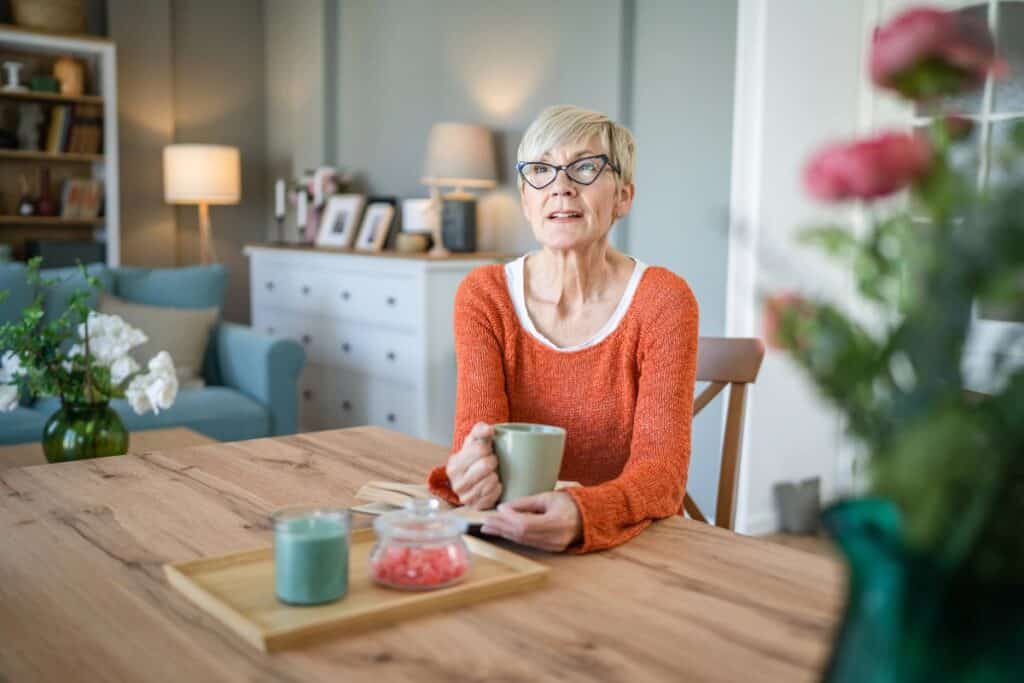
Dim hallways, shadowy corners and poorly lit stairs can all make trips more likely. Adding brighter bulbs, extra lamps or motion-sensor lights can make everyday movement easier, especially during darker mornings and evenings.
Natural light matters too. Harsh glare can make reading, watching television or using a screen uncomfortable, while heavy curtains can leave a room feeling gloomy on dull days.
Practical additions such as vertical blinds can help manage natural light levels while still being easy to use and maintain. They can soften glare, offer privacy and give more control over how much light comes into a room throughout the day.
For more ideas on choosing window coverings, my guide on how to choose between curtains and blinds may also help.
Make Movement Easier And Safer
A safer home is often one that is easier to move through.
Clear walkways, secure handrails, easy-to-grip handles and well-positioned furniture can all reduce everyday hazards. It is also worth looking at problem areas such as stairs, bathrooms, entrances and narrow spaces where slips or trips are more likely.
Small changes can help without making the home feel clinical. A sturdy rail by steps, a grab rail in the bathroom or a chair placed where someone often needs to pause can make daily routines feel more manageable.
If you are supporting a relative, this guide on helping elderly parents stay self-sufficient has more practical ideas for encouraging independence without taking over completely.
Choose Low-Maintenance Materials
Low-maintenance choices can make a home much easier to live in.
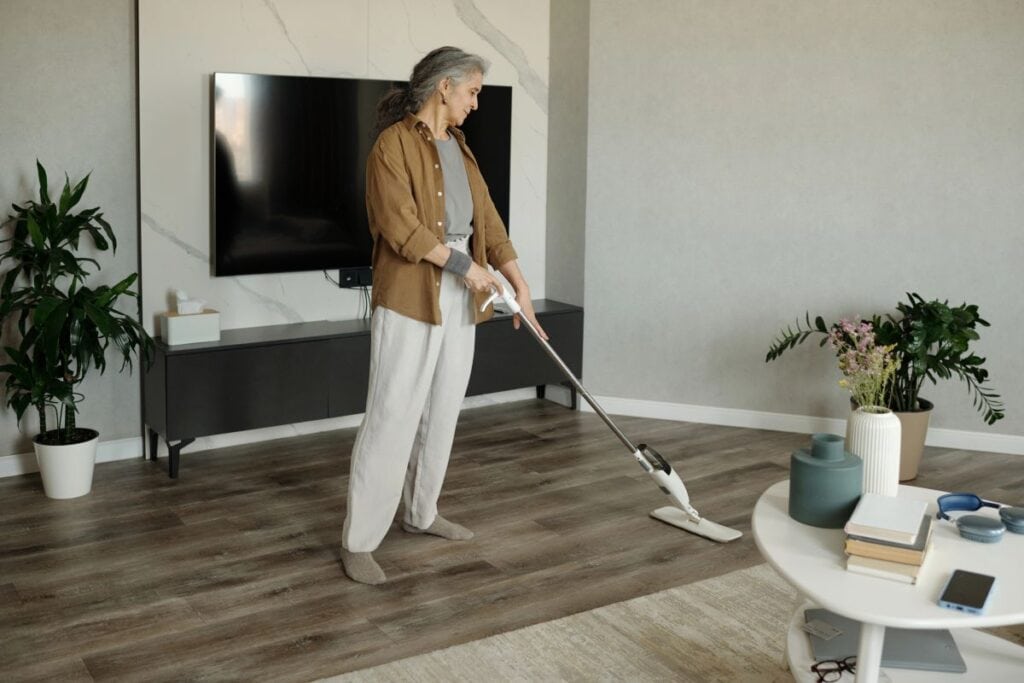
Wipeable surfaces, durable flooring and simple window coverings reduce the amount of bending, scrubbing, lifting and regular upkeep needed. That can make a real difference for anyone with reduced mobility, low energy or health conditions that make household jobs harder.
Flooring is especially important. Loose rugs, worn carpet edges or slippery surfaces can create unnecessary risks. Choosing practical flooring that is easy to clean and comfortable underfoot can improve both safety and everyday comfort.
If you are already planning changes, my post on things to consider when replacing flooring in your home is worth reading before making decisions.
Reduce Clutter And Trip Hazards
Clutter has a habit of creeping in quietly. One basket becomes two. One pile of post becomes a paper mountain. Then suddenly the hallway is doing an obstacle course impression.
Keeping floors clear can make movement safer, especially in busy areas such as hallways, kitchens, bedrooms and stairs. Loose wires, small rugs, shoes and bags can all become trip hazards if they are left in walkways.
Decluttering does not have to mean stripping the home bare. It is about making the space easier to use. Keep everyday items within reach, remove anything blocking movement and use storage that does not create more work.
For a gentle reset, these best ways to declutter quickly can help make the home feel calmer without turning it into a weekend-long mission.
Plan Flexible Spaces For Changing Needs
Homes work best when they can adapt.
A room that works well now may need to do something different in a few years. A spare room might become a more practical bedroom. A bathroom may need extra support. A hallway might need better lighting or more space for movement aids.
Planning with flexibility in mind can prevent bigger problems later. This does not mean preparing for every possible future scenario, because that way madness lies. It simply means choosing practical upgrades that make life easier now and leave room for change later.
My post on small home improvements that make a huge difference includes more simple updates that can improve how a home feels and functions.
Creating A Home That Supports Independence
Practical home upgrades do not need to be dramatic to be worthwhile.
Better lighting, safer walkways, low-maintenance materials and flexible spaces can all help a home feel more comfortable and easier to manage. These changes support independence by reducing everyday obstacles, rather than making the home feel completely different.
Starting with one or two small updates is often less stressful and more affordable than waiting until a bigger problem forces action.
For more practical home ideas, the Home and Garden section on Sim’s Life has plenty of simple ways to make family homes safer, calmer and easier to live in.
