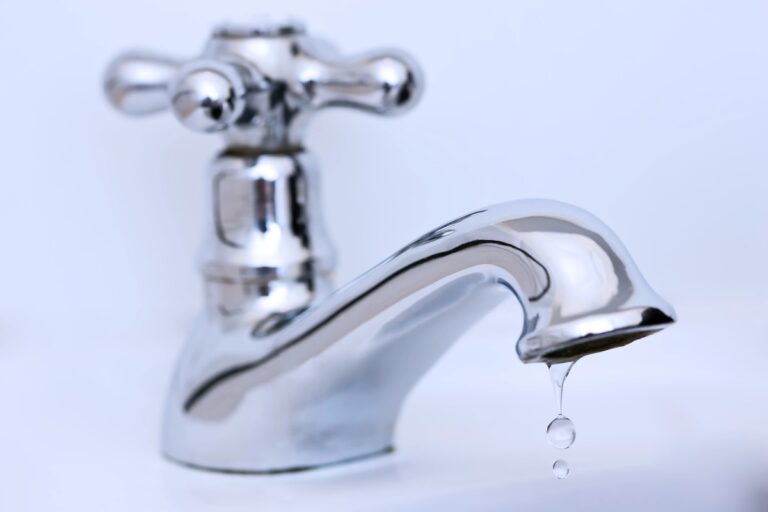
The most common plumbing problems at home are dripping taps, blocked drains, low water pressure, leaking pipes and running toilets. Some are simple to spot and sort, while others need a qualified plumber before a small issue turns into water damage, a bigger repair bill or one of those “why is the ceiling wet?” moments no one asked for.
Family homes put plumbing through a lot. Baths, showers, washing machines, dishwashers, toilets, kids leaving taps running, mystery objects near drains, it all adds up. The good news is that knowing what to check first can save time, stress and money.
Before you panic, find your stopcock, turn off the water if there is an active leak and avoid touching anything electrical near water. Then work out whether it is a quick home fix or something that needs professional help.
Why Family Homes Put Plumbing Under Pressure
More people in the house usually means more water being used every day. Showers run longer, toilets flush more often, sinks get blocked faster and kitchen drains have to cope with all the grease, food scraps and “I’ll just rinse this quickly” moments.
Older homes can have extra challenges too. Pipework, drains and fittings may not have been designed for modern family life, especially if the house has been extended, renovated or had bathrooms added over time.
This is why small plumbing problems are worth dealing with quickly. A slow drip, a slightly blocked drain or a toilet that keeps running can seem minor, but left alone, they can become expensive and annoying.
If you are trying to stay ahead of household costs, these tips on how to avoid unexpected household bills are worth a read too.
Dripping Taps
A dripping tap is one of those noises that starts off mildly irritating and then somehow becomes your entire personality by bedtime.
It is also wasteful. Waterwise says a tap dripping once per second can lose more than 12,000 litres of water a year.
A dripping tap is often caused by a worn washer, cartridge or valve. In some cases, a confident DIYer may be able to replace the part, especially if the tap is straightforward and the correct replacement is available. Always turn the water off first and check the tap type before buying anything.
Call a plumber if the tap is old, awkward to access, fitted into expensive surfaces or still dripping after a simple replacement. There is no shame in not wanting to flood the kitchen in the name of “having a go”.
Blocked Drains And Slow Sinks
Blocked drains are very common in family homes. Bathroom sinks collect hair, soap and toothpaste. Kitchen sinks collect grease, food bits and the occasional pasta escapee. Shower drains can slow down gradually until you realise you are standing in ankle-deep water having a very unwelcome foot bath.
For minor blockages, try:
- removing visible hair or debris
- using a plunger
- cleaning the plughole
- flushing with hot water where suitable
- using a drain snake for reachable blockages
Avoid forcing anything too far into pipework if you are not sure what you are doing. You can easily push a blockage further down or damage a fitting.
For more detail, this guide on what to do when water won’t drain covers the first checks to make before calling someone out.
If the problem is mainly in the shower, it may also be worth reading about choosing a shower drain, especially if you are updating a bathroom or planning future work.
Low Water Pressure
Low water pressure can make showers miserable, taps slow and baths take approximately three business days to fill.
First, check whether the problem affects one tap, one room or the whole house. If it is just one tap or shower, the issue may be a clogged aerator, shower head or local pipe problem. If the whole house is affected, check that your stopcock is fully open.
It is also worth asking neighbours whether they have the same problem. Ofwat explains that low pressure can reduce water flow to a trickle, and issues outside your property may need to be raised with your water company.
Call a plumber if the pressure drop is sudden, only affects your home or comes with other warning signs such as damp patches, noisy pipes or unexplained water use.
Leaking Pipes
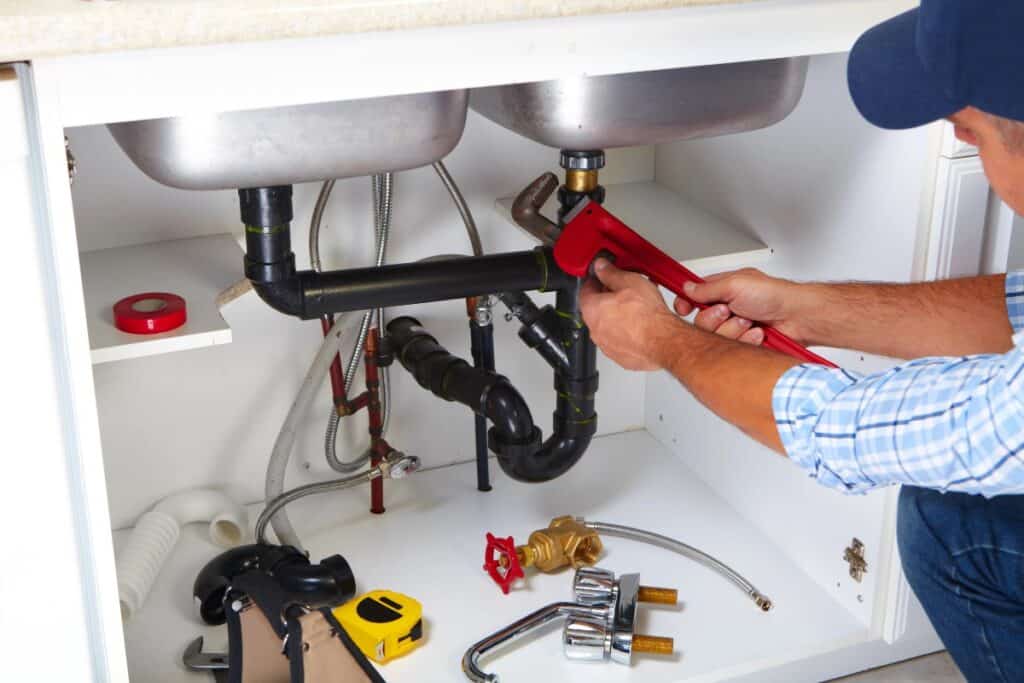
Leaking pipes are not always dramatic. Sometimes there is no big burst, no comedy spray of water, no obvious disaster. Just a slow drip under the sink quietly causing damage while everyone gets on with life.
Check under kitchen and bathroom sinks every few months. Look for:
- damp patches
- staining
- rust around fittings
- warped cupboard bases
- mouldy smells
- drips around pipe joints
If you find an active leak, turn off the water at the stopcock and place towels or a bucket under the leak where safe to do so. Take photos too, especially if there may be an insurance claim.
Smart leak sensors can also be useful in busy family homes, particularly near washing machines, dishwashers, boilers and under-sink cupboards. This guide on how to protect your home from disaster with smart tech has more ideas for spotting problems early.
Running Toilets
A toilet that keeps running after it has been flushed can waste a surprising amount of water, you may hear the cistern refilling again and again or notice water constantly trickling into the bowl.
This is often caused by a faulty fill valve, flush valve or seal inside the cistern. Some replacement parts are affordable and easy to find, but the exact fix depends on the toilet and cistern type.
A running toilet is worth sorting quickly, especially if you are on a water meter. Even a small constant trickle can push up water use over time and may be a sign that a part inside the cistern needs replacing.
Call a plumber if you are unsure which part is faulty, the toilet is concealed behind fitted panels or the leak keeps coming back after a basic repair.
Boiler And Hot Water Problems
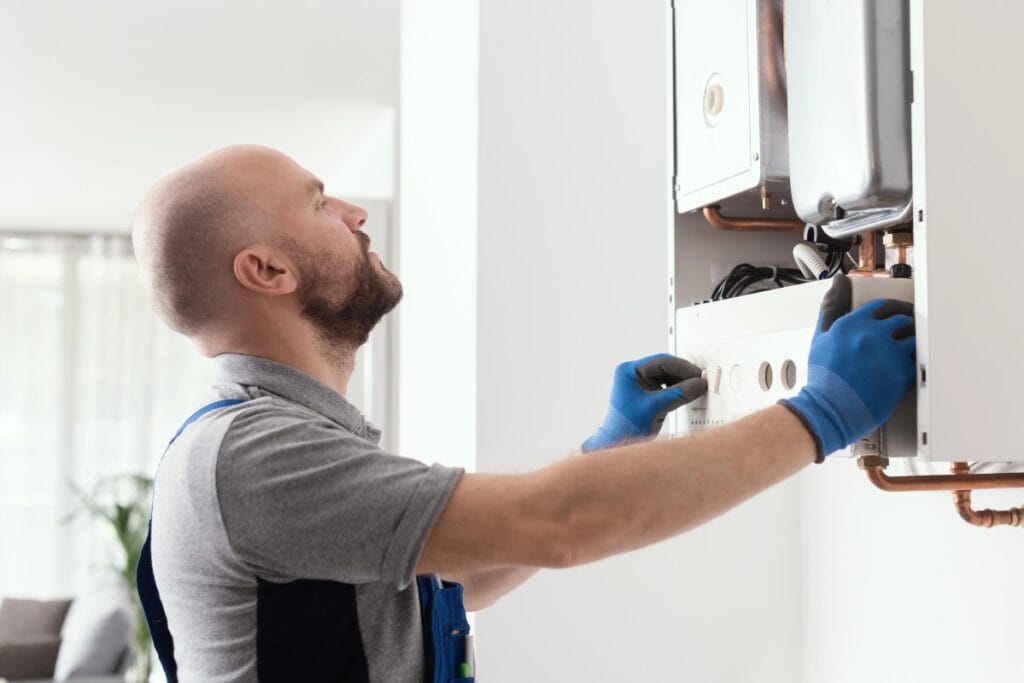
Not every hot water problem is a plumbing emergency, but it does need care.
If your hot water has stopped working, check the basics first. Is the boiler on? Has the pressure dropped? Has a timer or thermostat been changed by accident? Is there an obvious error code?
That said, anything involving gas is not a DIY job. In the UK, gas work must be carried out by someone registered with the Gas Safe Register. GOV.UK states that businesses need to be registered on the Gas Safe Register to work on gas fittings or gas storage vessels.
For everyday boiler care, this guide on how to increase the lifespan of your boiler is a useful next read.
What Can You Fix Yourself?
Some plumbing jobs are suitable for confident homeowners with basic tools and a bit of patience.
You may be able to deal with:
- clearing a simple blocked plughole
- using a plunger
- replacing a basic tap washer
- cleaning a shower head
- tightening a loose fitting gently
- checking whether a stopcock is fully open
- replacing a simple toilet part if accessible
A basic toolkit helps here. If yours currently consists of a screwdriver, a drawer full of mystery Allen keys and blind optimism, these essential tools every homeowner should own may help.
The important thing is knowing when to stop. If water is leaking, pipes are hidden, fittings are seized, or you feel unsure, call a plumber. A small repair can become a much bigger job if something snaps, cracks or floods.
When Should You Call A Plumber?
Call a plumber if:
- water is actively leaking
- you cannot find the source of the problem
- a blockage keeps coming back
- low water pressure only affects your home
- there are damp patches, mould or staining
- pipework needs moving or replacing
- the job involves mains water connections
- you are dealing with a fitted bathroom or kitchen
- you are not confident doing the repair safely
You should also call a professional if a plumbing issue is linked to renovation work. Living around repairs is stressful enough without turning a small leak into a full household drama. These tips on how to live in a house during renovations may help if you have bigger work planned.
How To Find The Right Plumber
Word of mouth is still one of the best ways to find a reliable plumber. Ask neighbours, local friends or a trusted community group who they have used before.
You can also use the WaterSafe Register to search for approved plumbers. WaterSafe says its register helps customers find vetted, qualified and insured plumbers across the UK.
Before agreeing to work, check:
- what is included in the quote
- whether call-out charges apply
- whether parts are included
- whether the plumber is insured
- when the work can be completed
- whether the repair is guaranteed
For anything involving gas appliances or gas pipework, check the engineer is Gas Safe registered and qualified for the specific work.
Where To Source Plumbing Parts In The UK
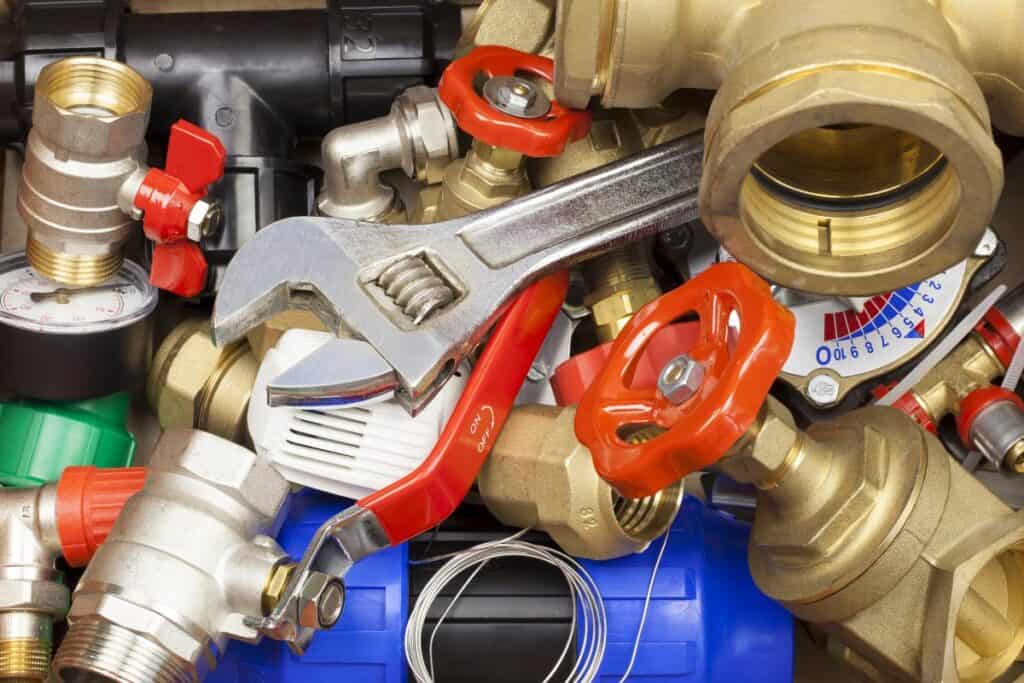
For small repairs, it helps to know what part you actually need before buying anything. Tap washers, valves, fittings, waste pipes and toilet parts can look similar but vary by size, type and fitting.
You can usually find basic plumbing parts from DIY stores, plumbers’ merchants or reputable online suppliers. Before ordering anything, check the measurements, fitting type and whether the part is suitable for your specific tap, toilet, sink or pipework.
Having the right part ready can sometimes save time, especially for simple repairs or when a plumber has already confirmed what is needed. Just make sure you are buying the correct part for the job and do not be afraid to ask a plumber what they recommend before ordering.
Simple Plumbing Habits That Can Save Money
A few small habits can reduce the risk of plumbing problems getting out of hand.
Try to:
- learn where your stopcock is
- turn the stopcock off and back on once a year so it does not seize
- check under sinks every few months
- keep grease and oils out of kitchen drains
- use plughole strainers in sinks and showers
- fix dripping taps promptly
- sort running toilets quickly
- run taps in rarely used rooms
- book regular boiler servicing
- act quickly if you notice damp, staining or musty smells
Seasonal checks can help too. This list of DIY jobs to complete before autumn is useful if you like to get ahead before colder, wetter months arrive.
Keeping Family Home Plumbing Under Control
Common plumbing problems at home are much easier to handle when you know what to look for. A dripping tap, slow drain, running toilet or low-pressure shower might not feel urgent at first, but small problems have a habit of becoming bigger when ignored.
The best approach is simple. Know where your stopcock is, deal with leaks quickly, keep an eye on drains and toilets and call a qualified plumber when a job is beyond a safe DIY fix.
Family homes are busy enough without surprise water drama causing problems. A few quick checks around your home now can save a LOT of stress, mess and money later on.
