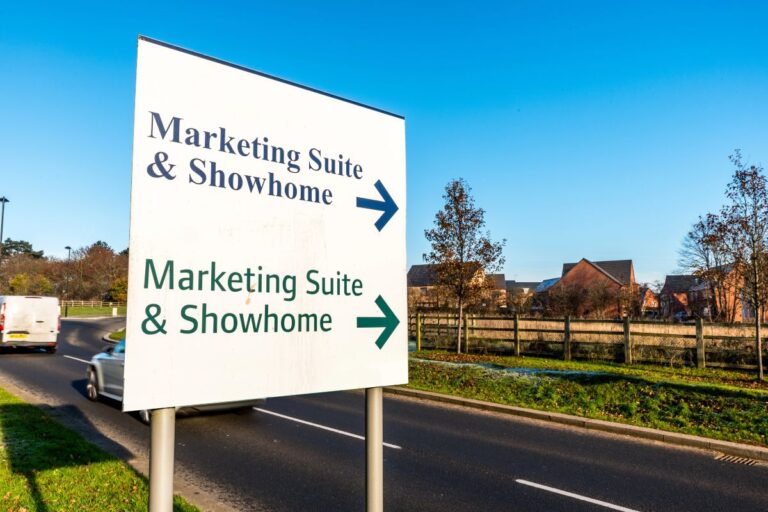
When viewing a show home, look past the styling and check what you would actually be buying. Focus on the standard specification, room sizes, storage, the position of your real plot, parking, future building work and any ongoing charges before you reserve.
A show home is designed to make a great first impression. Your job is to work out whether the actual home will still work once the perfectly placed furniture, upgraded kitchen and carefully chosen lighting are taken away.
Check What Is Standard and What Is an Upgrade
This should be one of your first questions.
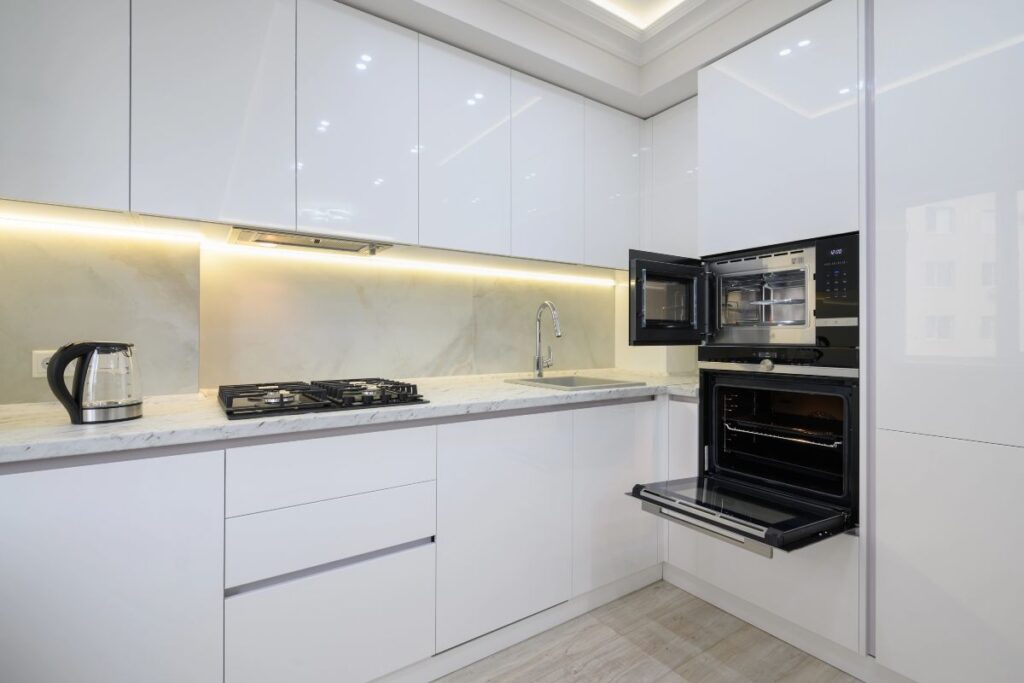
Show homes often include extras that are not part of the standard purchase price, so ask the sales adviser to explain exactly what is included in the house type you are considering.
That could include:
- Flooring and carpets
- Kitchen appliances
- Upgraded worktops or cupboards
- Fitted wardrobes
- Bathroom finishes
- Extra lighting or sockets
- Landscaping and turf
- Electric vehicle charging
Ask for the specification in writing if possible.
It is much easier to compare prices between developments when you know whether the kitchen you are admiring is standard or several thousand pounds of optional upgrades.
If you are still deciding whether a newly built property is right for you at all, our new build vs old house guide looks at the wider differences around running costs, maintenance and everyday family life.
Measure the Rooms, Not the Furniture
Show homes are professionally styled to make the space look its best.
Instead of judging a room by how spacious it feels, look at the actual dimensions and think about your own furniture.
Would your sofa fit without blocking a doorway? Is there space for your dining table once the chairs are pulled out? Would your bed and wardrobes realistically fit in the bedroom?
Take a tape measure and compare the rooms with furniture you already own.
Also look at the position of:
- Radiators
- Plug sockets
- Doors
- Windows
- Built-in cupboards
A room can look generous until you realise half the walls cannot actually take a piece of furniture.
Look Closely at Storage and the Layout
Storage is easy to overlook when everything in the show home has been carefully hidden away.
Open cupboards and think about where your everyday belongings would actually live.
Where would you put:
- Coats and shoes
- The vacuum cleaner
- Bedding and towels
- Children’s school bags
- Cleaning products
- Pushchairs or sports equipment
Then walk through the house as if it were a normal weekday.
Does the route from the front door to the kitchen work? Is there somewhere practical to work from home? Are the bedrooms positioned sensibly for your family?
Our guide to what to look for when buying a family home goes into more detail on storage, schools, parking and choosing a property around real family life rather than appearances.
Check the Actual Plot You Would Be Buying
The show home may demonstrate the house type, but your individual plot could feel very different.
When comparing new-build homes, ask to see the full development plan and find the exact plot you are considering.
Check:
- Which direction the garden faces
- What sits behind and beside the property
- Whether nearby land will be built on later
- Distance from roads and parking areas
- Whether paths or play areas run nearby
- Garden size and boundaries
- Where bins will be stored
- Which parking spaces belong to the property
Natural light is worth thinking about too. A beautifully lit show home full of lamps may feel very different from your plot on a grey November afternoon.
If possible, visit the development more than once and at different times of day.
Look Beyond the House to the Development
You are not only buying the building.
Take a walk around the wider development and consider what everyday life would be like once you move in.
Look at:
- Visitor parking
- Pavements and walking routes
- Public transport
- Schools and childcare
- Shops and other amenities
- Broadband availability
- Mobile signal
- Green spaces
- Traffic and noise
Also ask how many phases of the development are still to be built.
That lovely open patch beyond your garden may not stay open forever.
If a quieter setting appeals, our guide to the benefits of buying a new build home in a rural location covers some of the other things worth weighing up when choosing where to live.
Ask About Charges, Warranty and Snagging
Before reserving, find out about costs that continue after you have bought the home.
Ask whether there are:
- Estate management charges
- Service charges
- Shared-area maintenance costs
- Other ongoing fees
You should also ask which new-home warranty covers the property and how the developer deals with defects after completion.
For developers covered by the New Homes Quality Code, buyers should be given clear information about the property, future costs and the reservation agreement. The Code also provides for an opportunity to visit the home before completion and arrange a suitable pre-completion inspection.
You can check the current requirements on the New Homes Quality Board website.
A show-home viewing is not the same thing as a snagging inspection, but asking about the process now means you know what will happen later.
What Should You Take to a Show Home Viewing?
You do not need much, but I would take:
- Your phone for notes and photos, where permitted
- A tape measure
- Measurements of your largest furniture
- A list of questions
- A copy of the floor plan
- Notes from any other developments you are comparing
It is surprisingly easy for several beautifully styled new builds to merge into one giant grey sofa and kitchen-island blur by the end of a weekend.
What Matters Most When Viewing a Show Home?
The most important thing is to separate the home you are being shown from the home you would actually buy.
Check the real specification, real room dimensions and real plot. Ask what is included, what costs extra and what the development will look like once every phase is complete.
The show home is there to help you imagine living there.
Your checklist is there to make sure the reality stacks up.
