Collaborative content. Planning a European getaway for 2026 is about more than picking a destination. With the rollout of new EU border systems, plus shifting travel habits (fewer crowds, better value, more “actually relaxing”), a little forward planning can save you time, money and a whole lot of airport stress.
If you’re wondering what you need to do differently for Europe in 2026, here’s the simple answer: check your passport early, expect new border checks, aim for Shoulder Season and choose destinations that match how you actually like to travel.
Quick checklist for UK travellers planning Europe in 2026
Before we get into the fun bits (food, cities, pretty streets), do this:
🛂 Check passport validity now (and don’t assume “it expires in 6 months” means you’re fine)
⏱️ Factor in extra border time during the EES rollout
✅ Keep an eye on ETIAS for late 2026 trips
🌼 Travel in Shoulder Season for lower prices + fewer crowds
🗺️ Pick one base and explore instead of doing a suitcase-on-wheels world tour
Know the EU entry changes coming in 2026 (EES + ETIAS)
This is the part that can catch people out, especially if you’re used to breezing through passport control.
Entry/Exit System (EES): phased rollout through to April 2026
The EU’s Entry/Exit System (EES) started becoming operational on 12 October 2025 and is being introduced in phases, with full implementation expected by 10 April 2026.
In plain English: it’s a digital system that records when non-EU travellers enter/exit the Schengen Area and it uses biometric checks (typically a facial image and fingerprints).
What this means for you:
- Your first entry after a border switches over may take longer (especially at busy airports, Eurostar and ferry ports).
- You might use kiosks/booths for the biometric enrolment.
- You’ll want to arrive earlier than usual, particularly during peak travel days.
UK guidance is already live here and it’s worth a quick skim before you fly:
ETIAS: expected to start in the last quarter of 2026
ETIAS is a travel authorisation (not a visa) that visa-exempt travellers will need before travelling to certain European countries. It’s expected to start operations in the last quarter of 2026.
Practical tip: when ETIAS goes live, apply in good time and only via the official EU site (there are loads of “helpful” third-party sites that charge extra).
Passport rules to double-check (the boring bit that saves holidays)
If you’ve got a UK passport, do a quick check for Schengen rules:
- It should be issued within the last 10 years on the day you enter
- It should have at least 3 months left on the day you plan to leave
It’s one of those “annoying admin” jobs… but it’s a lot less annoying than being turned around at the airport.

Why Shoulder Season trips are smart choices
If you want Europe without the chaos, Shoulder Season is your best friend.
Travelling in May–June or September–October often means:
- comfortable temperatures (less “why is the pavement melting?”)
- better hotel deals
- shorter queues for the sights
- a generally calmer vibe everywhere you go
Explore secondary cities for authentic experiences (and better value)
As the big capitals get busier and pricier, more people are choosing smaller or “second city” options where you still get culture, food and history… just with less elbowing strangers for a photo.
Great-value picks people love include Kraków and Sofia and Prague is still a brilliant all-rounder.
Mid-trip, when you’re choosing where to go next, Opting for a Prague city break can be a smart move if you want stunning architecture, walkable neighbourhoods and proper “wow” without the same crowd intensity you’ll get in Europe’s busiest hotspots.
For more ideas to browse, take a look at unforgettable European city breaks.
Longer stays and intentional travel (aka: less rushing, more living)
A big trend that’s sticking around is travelling more intentionally, not cramming five cities into four days.
Instead, travellers are:
- choosing one base city
- planning a couple of day trips
- booking experiences around interests (food tours, museums, music, nature walks)
It’s also easier on your budget (and your knees).
If you like practical budget-friendly travel ideas, check out our article on unusual ways to save money while travelling.
Don’t forget the “real life” travel basics (especially for UK travellers)
A few easy wins that make trips smoother:
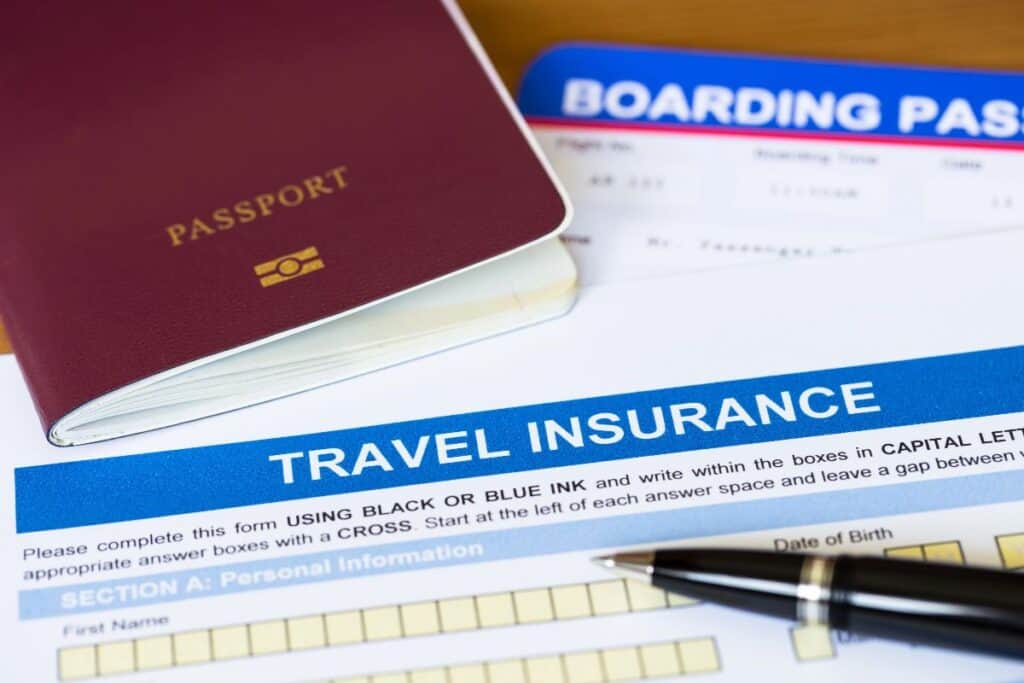
Sort your travel insurance early
Insurance is one of those things you don’t want to need… until you really do, here’s why holiday insurance is worth sorting before you travel.
Stay connected (without bill shock)
Roaming rules vary by network now, so it’s worth checking what your provider includes, these tips on ways to stay connected when travelling make it much easier.
If your network only gives you a limited roaming allowance, a travel eSIM is another option. I recently tested a Holafly eSIM on our trip to France, using it alongside my normal UK SIM and found the extra data really useful.
Build in “buffer time” at borders
With the EES rollout, queues may be unpredictable at certain crossings. Even if everything runs smoothly, giving yourself extra time can turn a stressful travel day into… a normal one (the dream).
Consider a different style of European break (if you want something quieter)
Not every 2026 trip needs to be “capital city, big sights, go go go”.
If you fancy something a bit calmer:
- an autumn break closer to home: things to do in Wales in Autumn
- a slower road trip style: exploring Europe by motorhome
- festive travel planning inspiration: Christmas cities in Europe you need to visit
Final thought: plan smarter, travel calmer in 2026
A European break this year is absolutely doable, it just rewards a bit more planning than before. Keep an eye on the rollout of new EU border systems, aim for Shoulder Season if you can and choose a destination that fits your pace (not just what’s trending on social).
