
Taking back control of your finances starts with understanding where your money goes, covering your essentials first and creating a plan you can maintain.
It does not have to mean changing everything at once.
In most cases, getting back on track comes down to a few practical steps: reviewing your spending, setting a realistic budget, prioritising key bills and building a small emergency buffer.
Review your spending before making changes
The first step is to look at where your money is actually going.
Go through the last two or three months of bank statements and group your spending into simple categories such as housing, groceries, transport, utilities, subscriptions, debt repayments, takeaways and socialising.
This shows you what is taking up the biggest share of your income and where there may be room to make adjustments.
You may spot unused subscriptions, rising grocery costs, or regular small purchases that have become expensive over time. Seeing those patterns clearly makes it easier to decide what to cut, reduce or keep.
If you want a simple starting point for reviewing your day-to-day spending, ways to manage your money better is a useful place to begin.

Build a realistic budget around your actual costs
A good budget needs to reflect real life, not an ideal version of it.
Start with your monthly income, then subtract your essential costs first. These usually include rent or mortgage payments, council tax, utility bills, food, transport and childcare if needed.
Once those are covered, divide the remaining money between flexible spending, savings and debt repayment.
Some households like using the 50/30/20 rule as a simple budgeting framework. It can be a useful starting point when you want a clearer structure, especially if you are trying to separate essentials from lifestyle spending and longer-term goals.
If you are budgeting for a household rather than just yourself, budgeting tips for parents may give you a few more practical ways to make your figures work in everyday life.
Make sure your budget includes the basics
One reason budgets fail is that important costs get missed.
Beyond the obvious bills, it helps to account for irregular spending too, such as school costs, birthdays, seasonal expenses and annual renewals. Building those into your budget makes it easier to avoid being caught off guard later.
Prioritise the bills that protect your stability
When money is tight, focus on the bills that keep your home and daily life running.
These usually include:
- rent or mortgage
- council tax
- gas and electricity
- water
- food
- essential travel
These payments matter first because they affect your housing, utilities, and ability to manage day to day.
If you need a bigger overview of what to organise, the family financial planning checklist can help you get everything in one place.
It is also worth contacting providers early if you know you may struggle to pay. In many cases, support or payment arrangements are easier to agree before you fall behind.
If your finances affect the wider household, how to manage family finances is a helpful next read.
Be careful with borrowing under pressure
Borrowing can help in a genuine emergency, but only when you understand exactly how repayment will work.
Before taking on credit, check:
- the total repayment amount
- any fees or extra charges
- when the repayment is due
- whether next month’s budget can handle it
That is especially important with same day loans to cover emergency expenses. Fast access to money may sound reassuring in a stressful situation, but borrowing should only be considered if it solves the immediate problem without creating a bigger one later.
If you are comparing borrowing options, the pros and cons of credit cards can help you weigh up one common form of short-term credit.
For people trying to simplify existing repayments, debt consolidation loans faqs may also be worth reading before making a decision.
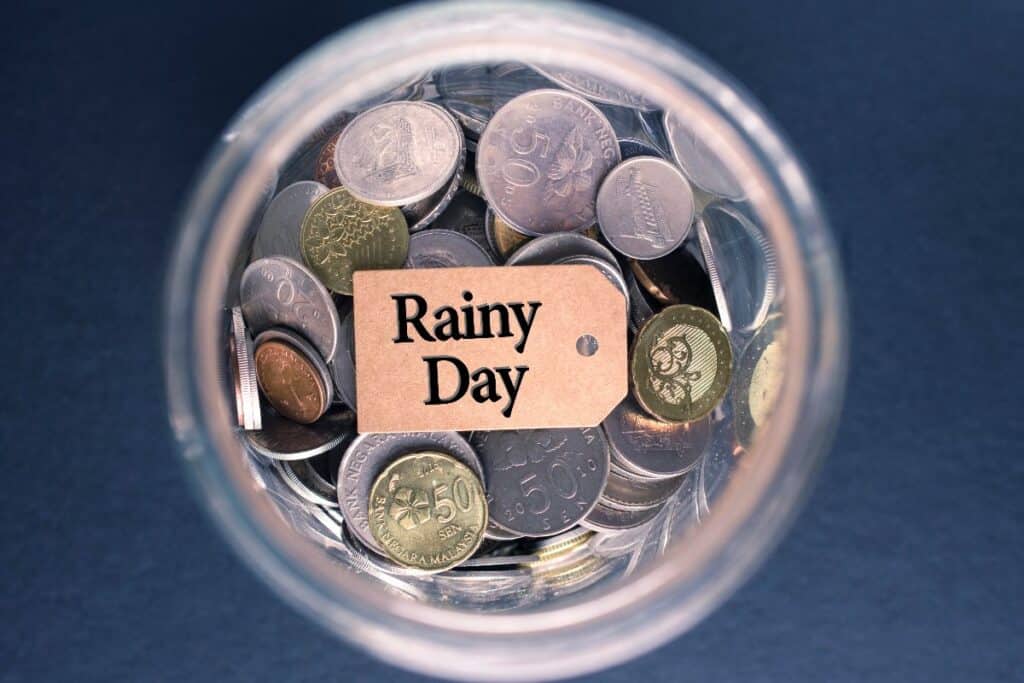
Build a small emergency fund
An emergency fund is money set aside for unexpected essential costs.
That could include a boiler repair, a car issue, a school expense or a higher-than-usual utility bill.
You do not need to start with a large amount. Even a small weekly contribution can help reduce the need to rely on credit when something unexpected happens.
Over time, that buffer can make day-to-day finances feel less fragile and give you more breathing room when costs suddenly increase.
If you need help finding room in your budget, easy money-saving hacks for parents is a natural follow-on.
Strengthen your finances over time
Once your essentials are covered and you have a clearer budget, the next step is making your finances more resilient.
That could mean:
- reviewing direct debits and subscriptions regularly
- cutting costs that no longer add value
- increasing income where possible
- putting something into savings each month
- building habits that are easy to maintain
Long-term financial stability usually comes from consistent decisions, not dramatic changes.
If money worries are affecting your stress levels, easy ways to relieve financial stress may help alongside the practical budgeting side.
Small steps changes make a big difference
Taking back control of your finances starts with knowing what is coming in, understanding what is going out, and making sure your essential bills are covered first.
From there, small changes can build real stability over time.
If you are looking for one practical next step after this, ways to make money from nothing could help you create a little more breathing room while you work on your budget.
