
Before and after BBL surgery, you need to plan for the consultation, safety checks, transport home, help around the house, time off work, sitting restrictions, sleeping positions and follow-up aftercare. A Brazilian bum lift affects everyday routines during recovery, so it is worth thinking beyond the procedure date itself.
A BBL involves removing fat from one or more areas of the body by liposuction and transferring it to the buttocks. This means recovery can involve both the donor areas and the area receiving the fat. Sitting, sleeping, driving, working and childcare may all need temporary adjustments.
Anyone considering BBL surgery in the UK should discuss recovery before choosing a date. It is also worth taking time to think about whether the decision is really for you, rather than feeling rushed by trends, pressure or comparison.
Our article on how to put yourself first without feeling guilty is a useful reminder that big personal decisions should still leave room for your own comfort, timing and wellbeing.
The exact timetable varies between patients, so personalised aftercare from a qualified surgical team is more useful than trying to follow a generic week-by-week plan online.
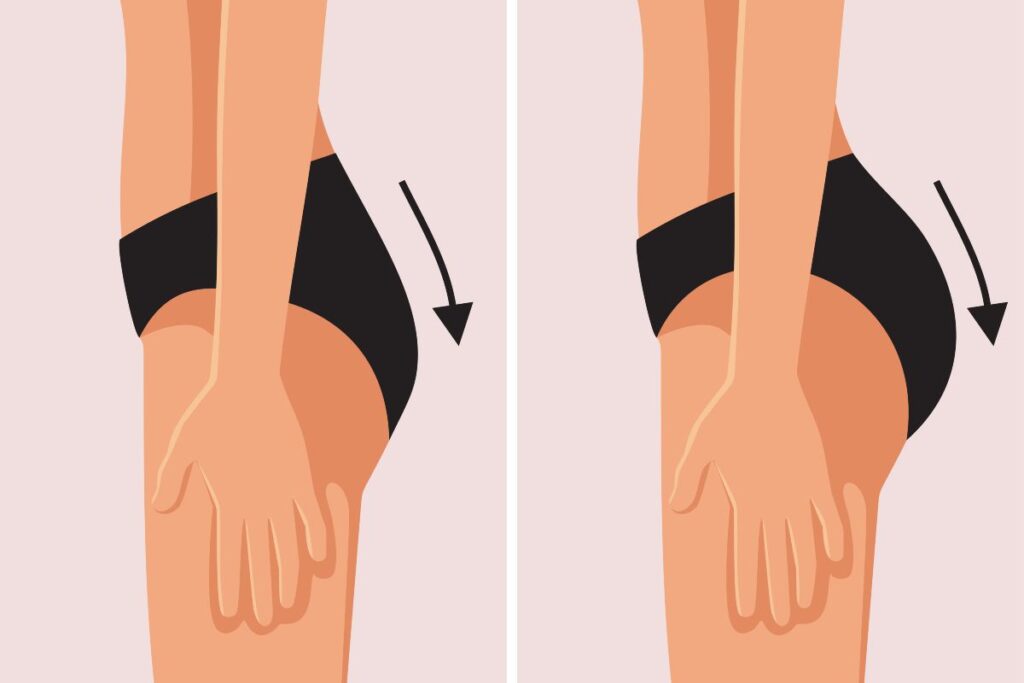
Recovery Planning Starts Before The Procedure
One of the most practical questions to ask before surgery is how the first few days at home will work. You may need help with meals, shopping, housework, childcare or pet care while movement is uncomfortable and your normal sitting position is restricted.
Recovery is not the time to be trying to do everything yourself, so this is one of those moments where prioritising your wellbeing means being realistic about rest, support and what you can comfortably manage.
Think about your home setup too. Keep frequently used items within easy reach, make sure you have loose clothing ready and check whether stairs, low chairs or awkward bathroom layouts could make recovery harder.
If your surgical team recommends a compression garment or positioning cushion, ask whether the clinic supplies it or whether you need to arrange one yourself. Do not guess, because aftercare instructions can vary depending on the procedure, the areas treated and the surgeon’s own recovery plan.
Transport home also needs arranging in advance. You will need someone to take you home after surgery, and the timing of a return to driving should follow your surgical team’s advice rather than a fixed online timetable.
The aim is not to build an elaborate recovery kit. It is to remove avoidable problems before you come home.
Use The Consultation To Check More Than The Final Look
If you are considering BBL cosmetic surgery, the consultation should cover much more than the shape you would like. It should include how the procedure will be performed, what risks are involved, what recovery is likely to include and what happens if healing does not go as expected.
The surgeon should also explain what outcome is realistic for your body. If confidence is part of the reason you are exploring cosmetic surgery, it may also help to think about wider ways to regain your confidence so the procedure is not carrying the full weight of how you feel about yourself.
Reference photos can be helpful for communication, but they should not be treated as guaranteed results.
BBL surgery carries specific safety risks as well as the general risks linked to surgery. The NHS explains that surgical fat transfer can involve complications such as fat embolism, and that BBL has particular safety concerns. This is why the surgeon’s training, technique and approach to risk matter.
In England, independent clinics and hospitals that provide cosmetic surgery must be registered with the Care Quality Commission. The NHS also recommends checking whether the person carrying out the procedure is a registered doctor or surgeon on the General Medical Council online register.
Good questions to ask you consultant include:
- Who will perform the surgery?
- Are they on the GMC register?
- Is the clinic or hospital CQC registered?
- How often does the surgeon perform this procedure?
- What are the main risks and complications?
- What aftercare is included?
- Who do you contact if something feels wrong after surgery?
- What happens if you need further treatment or review?
For anyone looking at BBL options in London, location is only one practical factor. Travelling farther for surgery can also affect transport home, follow-up appointments and how easily you can return to the clinic if you need to be reviewed.
Sitting And Sleeping Can Affect Daily Life
Sitting and sleeping are two of the biggest everyday changes to plan for after BBL surgery.
Many surgeons restrict direct pressure on the buttocks during the early recovery stage, but the exact instructions should come from your own surgical team. Do not rely on someone else’s online timeline, because your advice may depend on the technique used, the areas treated and how your recovery is progressing.
This can affect more of the day than expected. Eating at a table, travelling in a car, working at a desk, watching TV and using a laptop on the sofa all involve sitting.
Sleeping arrangements need thought too. Your surgical team may advise a position that keeps pressure away from the treated area, depending on the fat transfer and liposuction sites. It can help to test your planned sleeping setup before surgery so you know whether you need extra pillows, more space or a different arrangement.
Specialist cushions should support the clinic’s positioning advice, not replace it.
Work, Childcare And Home Commitments Need Flexibility
Recovery planning is easier when you think about what your normal day actually involves.
Someone who works from home may have more flexibility than someone who commutes, drives for work, sits for long periods or has a physically demanding job. Rather than choosing a return date from an average online estimate, discuss your real work routine during the consultation.
The same applies at home. If you usually carry shopping, lift a small child, walk an energetic dog, clean the house or manage school runs, decide who can help during the early recovery period.
This is one area where small preparation can make a big difference. Recovery is already an adjustment without having to solve every household problem at the same time.
Recovery Does Not Follow One Exact Calendar
Swelling, bruising and soreness are expected after surgical fat transfer, but the amount and duration vary. The areas treated with liposuction also need time to heal, so recovery is not only about the buttocks.
Activity is usually reintroduced gradually according to clinical advice. Light movement may be encouraged during recovery, while exercise, lifting and more demanding activity usually need to wait until the surgical team says it is appropriate.
The early result is not the final result. Swelling can change the way the area looks at first, and not all transferred fat will survive. The NHS notes that further surgery may sometimes be needed after fat transfer if enough injected fat does not survive or the intended volume cannot be achieved in one procedure.
Follow-up appointments are important because they allow the surgeon to check healing, answer concerns and adjust recovery instructions where needed.

Make Sure Aftercare Is Clear Before Surgery
Aftercare should be discussed before you agree to surgery, not after you are already at home trying to work out what is normal.
The Royal College of Surgeons advises patients to be clear before surgery about what the aftercare package includes, what is not included, what happens if something does not go to plan and how long the surgeon and hospital will continue to support them.
This matters because recovery questions can come up at awkward times. Even with non-surgical or smaller cosmetic treatments, aftercare can make a big difference to how confident you feel during healing. This post on laser microblading removal is a good example of why proper aftercare advice matters before, during and after a cosmetic procedure.
You need to know who to contact if pain suddenly changes, swelling increases, a wound looks concerning or you feel unsure about your progress.
Before booking, ask:
- How many follow-up appointments are included?
- Are wound checks included?
- Who do I contact out of hours?
- What symptoms need urgent attention?
- What happens if I need to be seen again?
- Are revision or correction policies explained clearly?
A clear aftercare plan is part of safe surgery planning. It should not feel vague.
Plan For The Recovery You Will Actually Need
BBL recovery affects everyday routines as much as the procedure itself. Sitting, sleeping, transport, work, childcare and help at home are all worth arranging before surgery rather than once healing has already begun.
The exact timetable will depend on the procedure, the surgeon’s advice and your own recovery. Following personalised clinical guidance gives you a more realistic basis for planning the weeks after surgery than relying on someone else’s experience online.
A good plan will not make recovery effortless, but it can make it calmer, safer and easier to manage.
