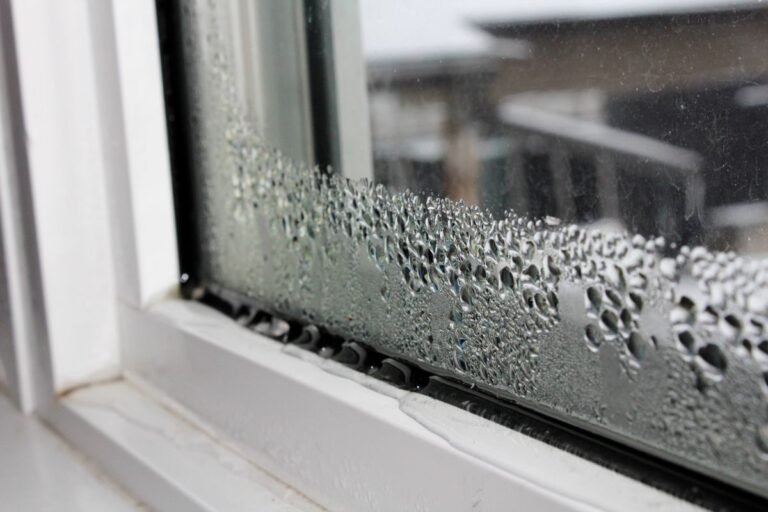
To stop condensation on windows, reduce excess moisture indoors, improve ventilation and avoid letting rooms become excessively cold. Use extractor fans when cooking or showering, keep trickle vents open, dry laundry outside where possible and wipe away standing water from windows and sills.
If your windows are wet every morning, however, do not automatically blame the glass. Persistent condensation can point to poor ventilation, high humidity or cold surfaces that need addressing.
What Does Condensation on Your Windows Mean?
| Where the moisture is | What to do |
|---|---|
| Inside the window | Reduce indoor moisture, improve ventilation and keep the room reasonably warm. |
| Outside the window | Usually caused by outdoor temperature and humidity and is not normally a problem inside your home. |
| Between double-glazed panes | Have the glazing checked because moisture should not normally be trapped inside a sealed unit. |
Start here: if your windows are wet on the inside every morning, concentrate first on ventilation, indoor moisture and cold surfaces rather than simply wiping the glass.
Why do my windows get condensation every morning?
Condensation forms when moisture in warm indoor air reaches a colder surface and turns into water droplets.
Windows are often where you notice it first because the glass can be one of the coldest surfaces in a room.
Everyday activities add moisture to the air, including showering, cooking, drying clothes and simply breathing. Current GOV.UK ventilation guidance specifically identifies these as common sources of household moisture.
Why is condensation worse on bedroom windows?
Bedroom windows often collect more condensation overnight because people continuously release moisture by breathing while doors and windows are usually closed.
Keep trickle vents open, avoid drying laundry in bedrooms and ventilate the room in the morning.
If condensation regularly forms behind heavy curtains or blinds, allow some airflow around the glass rather than keeping it completely sealed off from the warmer room air.
1. Use extractor fans properly
Start with the kitchen and bathroom because these rooms usually create the most moisture.
Run extractor fans while cooking or showering and allow them to continue afterwards where they have an overrun setting.
Keep internal doors closed while producing lots of steam so moisture does not simply spread into colder bedrooms and living rooms.
2. Keep trickle vents open
Those small vents above some windows are there to provide controlled airflow.
GOV.UK recommends leaving trickle vents open and unblocked, even in winter.
That does not mean leaving every window wide open while paying to heat the street.
Ventilation is controlled airflow. Draughts are uncontrolled gaps.
If your home feels cold as well as damp, these cost-effective ways to keep your house warm can help without blocking useful ventilation.
3. Reduce moisture indoors
Small changes can make a noticeable difference:
- cover pans while cooking
- use kitchen and bathroom extractors
- dry washing outdoors when practical
- avoid drying clothes directly on radiators
- vent tumble dryers correctly
- keep doors closed while showering or cooking
If you regularly have to dry laundry indoors, good ventilation becomes particularly important.
Do dehumidifiers stop condensation on windows?
Yes, a dehumidifier can help by removing moisture from indoor air.
Manchester University NHS Foundation Trust includes dehumidifiers among practical ways of controlling excess moisture alongside ventilation and heating.
However, a dehumidifier should not disguise a leaking roof, faulty extractor or other building defect.
Does putting the heating on stop condensation?
Heating can help because warmer surfaces are less likely to become cold enough for water to condense on them.
But heating alone will not solve excess moisture.
The better approach combines sensible heating with ventilation and moisture control.
Older properties can be particularly prone to cold surfaces, so our guide to keeping an old house warm without losing its character covers draughts, windows and insulation in more detail.
Should you open windows to stop condensation?
Short periods of ventilation can help, particularly after cooking, showering or drying laundry.
You do not necessarily need windows wide open for hours.
Use extractor fans and trickle vents routinely, then open windows when extra moisture needs clearing.
Energy Saving Trust identifies persistent condensation as one sign that a property may need better ventilation.
Will new windows stop condensation?
Not necessarily.
Better glazing can make the internal glass surface warmer, which may reduce condensation, but replacement windows do not remove moisture from your home.
If you have original sash windows, our guide to energy-efficient ways to double glaze sash windows is worth reading before replacing them completely.
You can also look at broader ways to make your home more energy efficient to reduce cold surfaces elsewhere.
What if condensation is between the window panes?
If moisture is trapped between panes of double glazing and cannot be wiped away from either accessible side, the sealed glazing unit should be checked.
Opening a window or buying a dehumidifier will not repair moisture trapped inside a failed sealed unit.
Is condensation on the outside of windows a problem?
Usually not.
Exterior condensation forms when the outside surface of the glass becomes colder than the surrounding outdoor air.
This is different from moisture forming inside your home and does not normally indicate an indoor damp or ventilation problem.
Can condensation cause mould?
Yes. Persistent condensation creates damp surfaces where mould can grow.
Updated government guidance says condensation is one of the most common causes of damp and mould and recommends tackling ventilation, heating, energy efficiency and any underlying building defects rather than simply cleaning mould away.
Wipe standing water from sills and frames, but deal with why it keeps appearing.
Damp patches that worsen after rain or appear away from cold windows may point to another problem such as penetrating damp or a leak.
Quick answers about window condensation
Should I wipe condensation off windows?
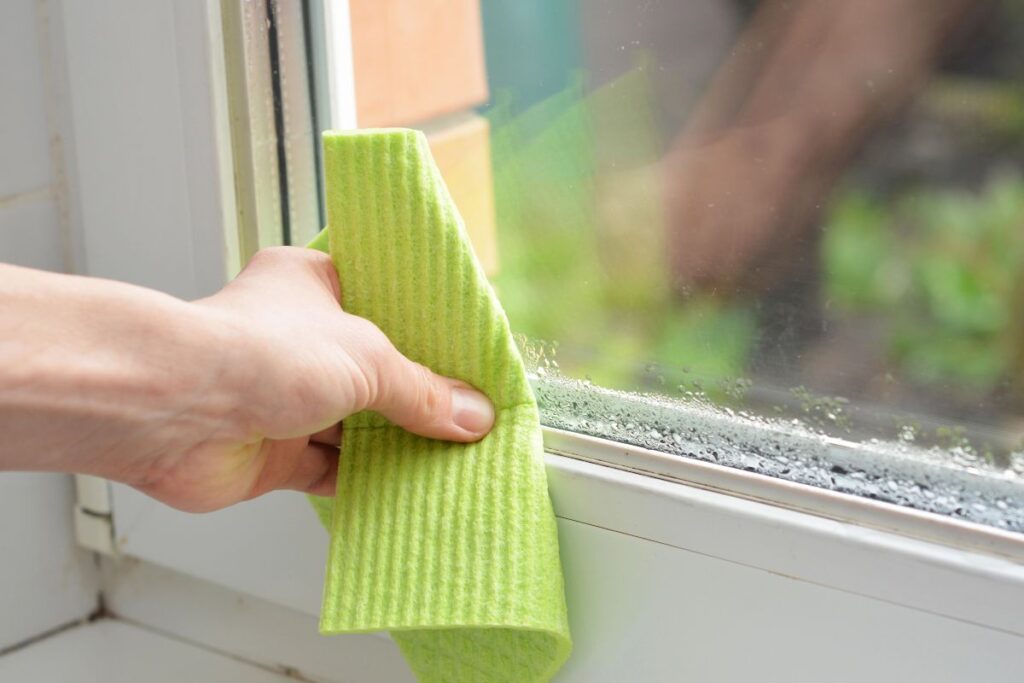
Yes. Remove standing water so it does not sit on frames and sills, but also tackle the cause.
Does opening curtains help condensation?
It can. Allowing warmer room air to circulate around cold glass may help where thick curtains or blinds trap colder air beside the window.
Why has condensation suddenly got worse?
Colder weather, more laundry drying indoors, reduced ventilation or a faulty extractor fan can all increase condensation. A sudden unexplained change is worth investigating.
What is the best way to stop condensation on windows?
Start by controlling moisture and improving ventilation.
Use kitchen and bathroom extractors, keep trickle vents open, reduce unnecessary indoor moisture and keep rooms reasonably warm.
If severe condensation continues despite doing those things, investigate the ventilation system, glazing, insulation and building itself.
Wiping a wet window deals with today’s water. Stopping the reason it keeps getting wet is what actually fixes the problem.
