When a child loses someone they love, their whole world can suddenly feel unsteady. And as a parent, you’re often carrying your own grief while trying to make sense of theirs, which is one of the hardest balancing acts there is.
Children don’t always have the words or emotional reach to explain what’s happening inside. So their grief often shows up in other ways – through behaviour, questions that seem to come from nowhere or long stretches of silence. Learning how to support a grieving child isn’t about having the right answers or fixing the pain. It’s about being a steady, soft place they can come back to, again and again.
Here are five gentle, practical ways to help them through it.
1. Encourage Open, Honest Conversations
Children make sense of loss by talking, drawing and asking the same question more than once. Sometimes ten times. That’s completely normal.
When you answer honestly, in language they can understand, you help them trust what they hear, rather than filling the gaps with worry (which their imaginations will absolutely do if left to it).
A six-year-old might ask where Grandma has gone. A teenager might circle back months later with questions that feel philosophical, or blunt, or both. Let them set the pace. Follow their lead when they want to talk and let it drop when they don’t.
There’s no script for this. Your willingness to sit in the question with them matters more than having the perfect answer.
2. Keep Routines Steady and Reassuring
Grief rattles a child’s sense of order, especially when a death changes the shape of family life. Familiar routines, such as the school run, bedtime stories, Saturday pancakes, all become small anchors in days that otherwise feel strange and unpredictable.
You don’t need to keep everything exactly the same. But predictable rhythms help children relax when emotions spike.
Explaining that school will continue, friends will still visit and home remains a safe place genuinely reduces the background anxiety that can quietly drain their energy. If you want ideas on nurturing that steadiness more broadly, these ways to strengthen family bonds are a lovely starting point.
3. Involve Them in Farewell Rituals and Funeral Plans
Saying goodbye helps a child understand that a death is real and permanent, something that’s genuinely hard for young minds to grasp without something concrete to hold onto.
Involving them in farewell rituals and choices around funeral plans, where it’s age-appropriate, gives them a sense of being included rather than left on the outside guessing what’s happening. That inclusion matters more than we often realise.
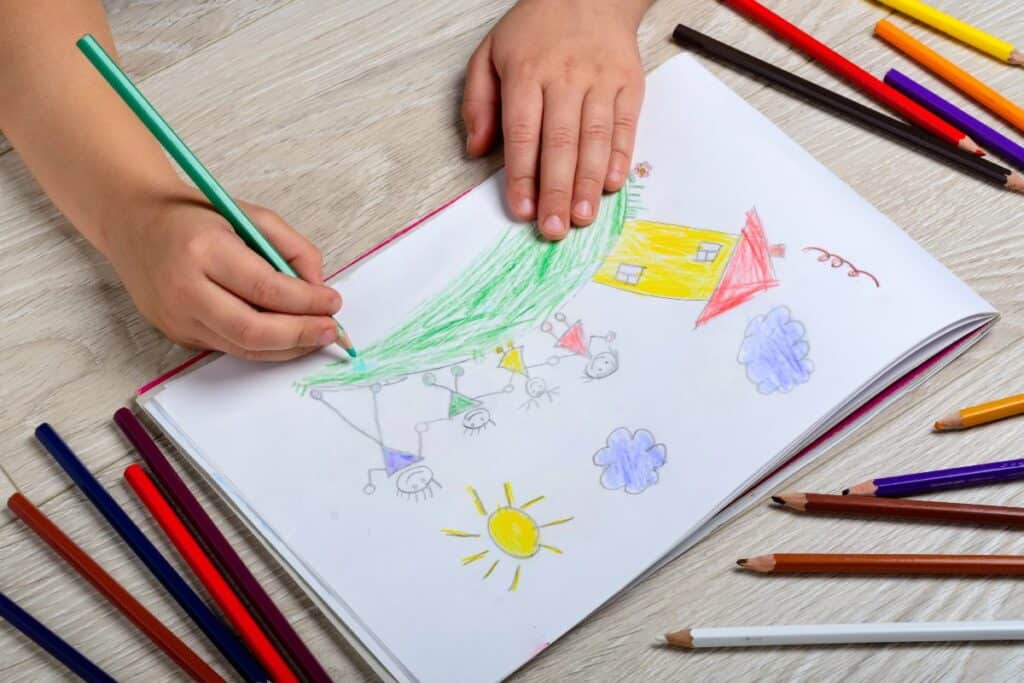
A child might want to choose a song, draw a picture to place with flowers or decide whether they attend part of the service. A memory box is another lovely idea, somewhere they can keep photos, small notes or trinkets that let them express love and sadness in a way that feels concrete. These small rituals often support healing later on, sometimes years down the line.
4. Seek Professional Support When You Need It
Some children cope in ways that need extra help, particularly if grief is triggering sleep issues, big changes in behaviour or lasting withdrawal.
A school counsellor, your GP or a specialist bereavement charity like Child Bereavement UK can offer guidance that supports both you and your child. Asking for help when feelings feel bigger than what your family can manage alone isn’t a sign you’ve failed, it’s genuinely the opposite.
Many parents find real reassurance in having someone else walk alongside them through the tougher stages. You don’t have to carry this by yourself, and nor does your child.
5. Look After Yourself Too (Genuinely)
This one gets missed, so I’m putting it in properly.
You cannot support a grieving child well if you’re running on empty. Your own grief is real, it’s valid and it needs tending to, not pushed down so you can “be strong” for everyone else.
That might mean small self-care habits for busy parents, a brain dump for anxiety when the mental load feels unmanageable or simply accepting help when it’s offered. If you’re finding the stress of it all hard to carry, these thoughts on dealing with the most common causes of stress are worth a read too.
Your children are watching how you navigate loss. Showing them that grief is something we move through, rather than around or past, teaches them something quietly powerful.
Frequently Asked Questions
How do children typically show grief? Children often express grief through behaviour rather than words, including mood changes, trouble sleeping, regression to younger habits, withdrawal or asking the same questions repeatedly. This is normal and part of how they process loss.
What should you not say to a grieving child? Avoid phrases like “they’ve gone to sleep” or “we’ve lost them,” as these can confuse young children and create fear. Use clear, honest language appropriate to their age – gentle, but direct.
How long does grief last in children? There’s no set timeline. Children often revisit their grief as they grow and understand more, fresh sadness can surface around birthdays, anniversaries or developmental milestones years later. That’s normal, not a setback.
When should I seek professional help for my grieving child? Consider professional support if grief is causing persistent sleep issues, significant behavioural changes, withdrawal lasting more than a few weeks or if your child expresses thoughts of self-harm. Your GP or Child Bereavement UK are excellent starting points.
Walking This Road Together
Grief doesn’t run on a timetable and children will revisit loss in different ways as they grow. You might notice fresh sadness around birthdays or anniversaries years down the line and that’s not a setback, it’s just grief doing what grief does.
Staying open to those moments teaches your child that grief can come and go without breaking the connection between you. Your steady presence shows them something important: that love continues, even when someone has died and that understanding makes the path ahead feel a little less daunting for both of you.
And if you’re looking for more ways to nurture closeness during hard seasons, these ways to deepen family connections might help too.
You’re doing better than you think.
