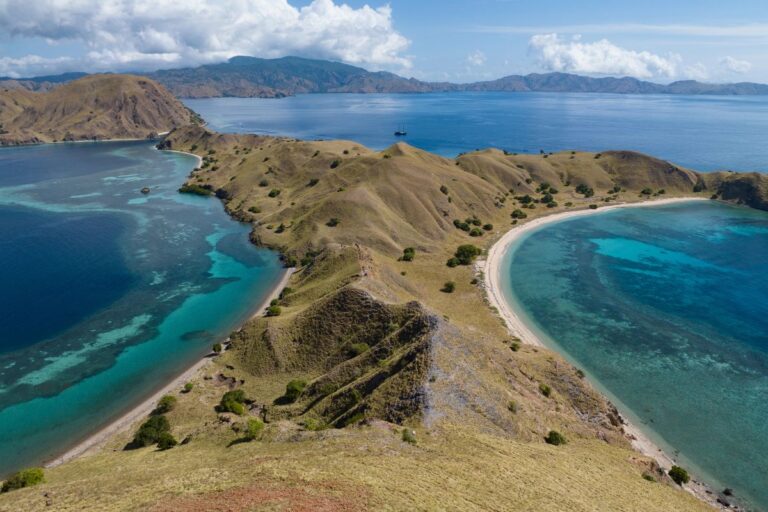
If one of you scuba dives and the other prefers snorkelling, you can absolutely still enjoy Komodo National Park together. The trick is choosing a boat or resort that treats snorkellers as part of the itinerary rather than simply letting them tag along while the divers disappear underwater.
Komodo is famous for its diving, but its coral reefs, manta ray sites and shallow marine areas also make it a superb destination for snorkelling. The important part is understanding that a brilliant dive site is not automatically a brilliant snorkelling site, particularly in an area known for strong currents.
Can You Snorkel in Komodo Without Scuba Diving?
Yes. You do not need to be a qualified diver to experience Komodo’s marine life.
The national park is known for coral reefs, turtles, manta rays and a huge variety of tropical fish, with a number of areas suitable for snorkelling when conditions allow.
That makes Komodo particularly interesting for couples, friends or families where everyone has a different idea of what constitutes a relaxing holiday.
One person can be happily disappearing beneath the surface in full dive gear while someone else snorkels, swims or stays aboard with a book. Nobody needs to spend their holiday doing something they are uncomfortable with.
If unusual trips like this appeal, there are plenty more ideas in our guide to unique holiday destinations in Asia.
Why Komodo Diving Needs More Planning
The waters around Komodo are famous partly because of their currents.
Water moving between the islands brings nutrients that support the area’s reefs and marine life, but those same currents can make some locations more challenging. Conditions can also vary between different parts of the national park and throughout the year.
If diving is the main reason Komodo is on your travel list, it is worth understanding the practical geography of Komodo Island scuba diving before deciding where to stay or which boat trip to book.
Experienced divers may specifically seek out current-heavy locations, whereas a snorkeller will generally want sheltered water and conditions suitable for swimming at the surface.
That distinction matters when you are booking the same trip together.
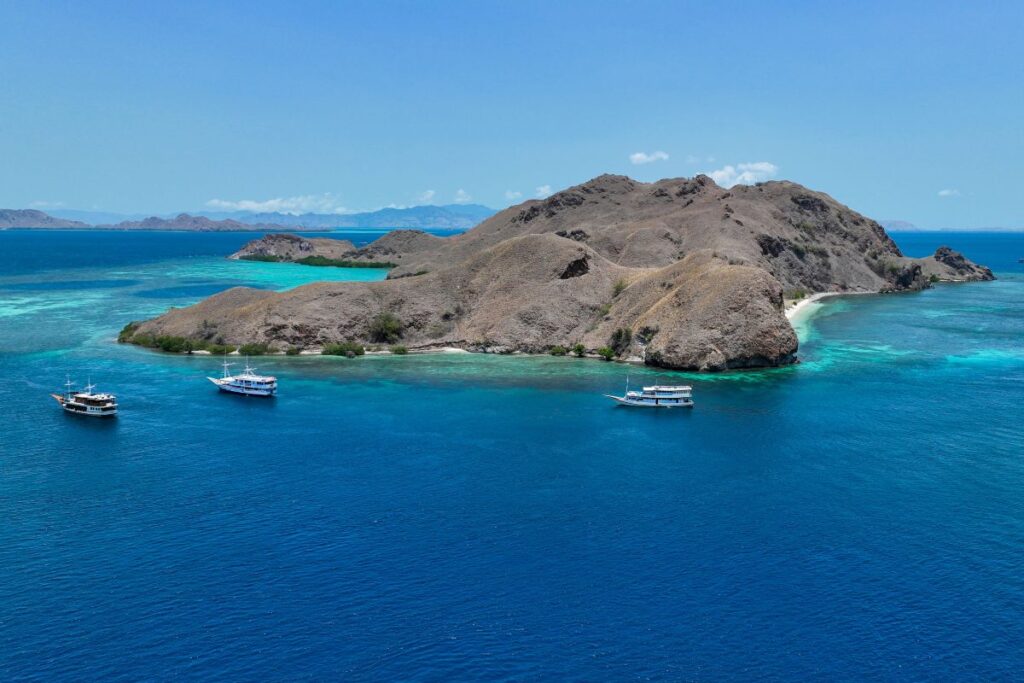
Ask What Snorkellers Actually Do
One sentence on a liveaboard website saying “snorkellers welcome” does not tell you very much.
Before paying a deposit, ask the operator what happens when the divers visit a site that is unsuitable for snorkelling.
Useful questions include:
- Is there a dedicated snorkelling guide?
- Does a separate tender take snorkellers to calmer locations?
- How many snorkelling opportunities are normally included each day?
- Are snorkelling plans discussed during the daily briefing?
- Can the itinerary change depending on currents and sea conditions?
- Is snorkelling equipment included or should you bring your own?
A company that regularly welcomes mixed diving and snorkelling groups should be able to answer those questions easily.
Snorkelling With Manta Rays in Komodo
Manta encounters are one of the experiences that attract people to Komodo.
Manta Point, also known as Karang Makassar, is well known for both diving and snorkelling, although wildlife sightings can never be guaranteed and conditions always need to be suitable on the day.
This is one of the big advantages of travelling somewhere such as Komodo with different interests.
The diver may be watching marine life several metres below the surface while the snorkeller potentially gets a completely different view from above.
You do not necessarily need to have identical experiences to come back with equally good holiday stories.
In fact, trying something slightly outside your normal routine is one of our favourite ways to make your holiday more memorable.
Liveaboard or Stay on Land?
If only one person dives, it can make sense to combine a short liveaboard with a few nights on land rather than automatically booking a long dive-focused trip.
A two or three-night boat trip gives the diver plenty of time underwater while still allowing you both to experience life aboard.
You could then spend the rest of the holiday at a resort or in Labuan Bajo, using day trips for any additional diving or snorkelling you want to do.
That gives the non-diver more freedom too. Instead of every day being dictated by dive times, there is room for beaches, boat trips, wildlife excursions or simply doing absolutely nothing for a few hours. A highly underrated holiday activity.
What to Pack for Komodo Snorkelling
If you know you will be snorkelling regularly, bringing your own mask can be worthwhile simply because you know it fits properly.
Other useful items include:
- Rash vest or long-sleeved swimwear
- Reef-safe sun protection
- Dry bag
- Water shoes or sandals
- Reusable water bottle
- Lightweight towel
- A waterproof camera if you have one
And, perhaps most importantly, something to read while your diving companion spends twenty minutes enthusiastically explaining the fish they saw.
Again.
Making Komodo Work for Divers and Snorkellers
Komodo does not have to be a diving-only holiday.
For mixed couples or families, the best trip is one where the diver can enjoy the sites they travelled halfway around the world to experience, while the snorkeller has a proper itinerary of their own.
If a more remote Indonesian adventure is already creeping onto the wish list, our guide to Raja Ampat liveaboards looks at what to expect from diving, snorkelling and life aboard when not everyone in the group dives.
Look beyond the dive schedule, ask exactly what is available for non-divers and choose accommodation or a boat operator that understands both.
If Bali is also part of your Indonesia plans, our guide to snorkelling in Nusa Dua looks at what you can expect from the resort beaches and whether it is worth travelling elsewhere on the island for better snorkelling.
Because “you can stay on the boat while everyone else dives” technically counts as accommodating a snorkeller.
It just doesn’t sound like much of a holiday.
