
Updated July 2026
The best way to reduce workplace risks in a small business is to identify hazards, assess who could be harmed, control the biggest risks first, keep the workplace clean and well maintained, provide suitable equipment, train staff properly and review safety procedures regularly. It does not need to mean endless paperwork, but it does need to be practical and consistent.
A safe workplace matters for every business, whether you run an office, shop, salon, workshop, warehouse or small team across different locations.
When risks are ignored, small problems can quickly become expensive ones. Slips, faulty equipment, poor manual handling, cluttered walkways, stress, illness and weak processes can all affect staff wellbeing, productivity and day-to-day operations.
The good news is that reducing workplace risks is often about getting the basics right and checking them regularly.
If you are looking at business risk more widely, my guide on how to protect your small business from everyday risks is a useful place to start.
Start With A Simple Workplace Risk Assessment
A workplace risk assessment helps you spot what could cause harm and decide what needs to be done about it.
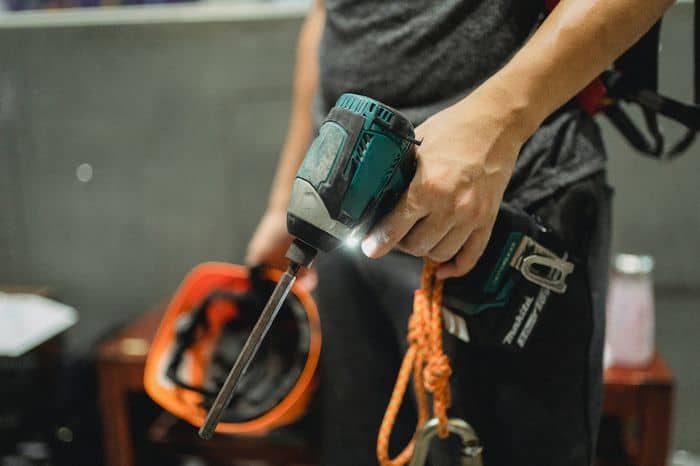
Start by walking around the workplace and looking for hazards. These could include wet floors, trailing cables, poor lighting, unsafe equipment, heavy lifting, chemicals, fire risks, poor ventilation or repetitive tasks that could cause strain.
Then think about who could be harmed. This might include employees, customers, visitors, contractors or delivery drivers.
Once you know the risks, decide what controls are needed. Some risks can be removed completely. Others may need reducing through better equipment, safer processes, training, signage or supervision.
Keep a written record where required and review it when something changes, such as new equipment, new staff, a different layout or a new way of working.
Keep The Workplace Clean And Clear
Clean, clear spaces are one of the simplest ways to reduce workplace accidents.
Cluttered walkways, spills, overflowing bins, trailing wires and poorly maintained floors can all create unnecessary hazards. In many workplaces, slips and trips are among the most obvious risks, but they are also some of the easiest to reduce with regular checks and sensible routines.
Cleaning should not just be something that happens when the place looks a bit grim. It should be part of the wider safety plan.
For businesses looking for commercial cleaning Cheltenham, choosing a local professional service can help keep workspaces clean, hygienic and easier to manage, especially in busy premises where staff are focused on customers, stock or daily operations.
It is also important that cleaning itself is carried out safely. Wet floors, loose cables from cleaning equipment and products left in the wrong place can create risks of their own, so timing, warning signs and staff training all matter.
Check Equipment And Workstations
Faulty or unsuitable equipment can increase the risk of accidents and long-term discomfort.
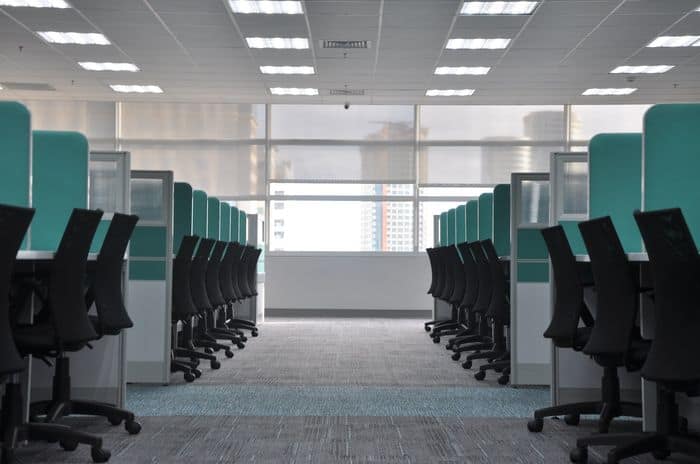
Workstations should be set up properly, especially where people sit at desks for long periods. Chairs, screens, keyboards and work surfaces should support good posture and reduce strain.
In more physical workplaces, tools, machinery and lifting equipment should be suitable for the task and maintained properly. Do not wait until something breaks before checking it. Regular inspections can help spot loose parts, worn cables, damaged guards or other issues before they cause problems.
If you are reviewing business operations generally, this post on common business challenges and solutions may help you look at safety alongside other practical pressures.
Provide Suitable PPE Where It Is Needed
Some workplaces also need personal protective equipment, depending on the type of tasks being carried out.
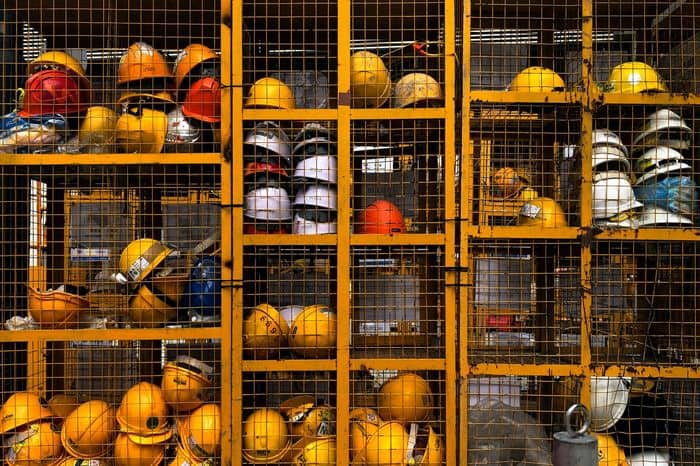
This could include gloves, masks, ear protection, high-visibility clothing or suitable eye protection. If staff are working with tools, machinery, chemicals, dust or flying particles, the right safety eyewear can be an important part of reducing risk.
For employees who need vision correction as well as eye protection, options such as ANSI Z87 prescription safety glasses may be worth considering where appropriate. Always check the standards required for your workplace, sector and location, and make sure any protective equipment is suitable for the actual task being carried out.
PPE should never be the only safety measure in place, but it can be an important extra layer of protection when risks cannot be fully removed.
Train Staff So Safety Becomes Routine
A safety policy is not much use if nobody understands it.
Staff should know how to report hazards, what to do in an emergency and how to use equipment safely. Training is especially important when someone is new, when processes change or when staff take on different responsibilities.
It is also worth creating a culture where people feel comfortable raising concerns. If someone spots a loose cable, a slippery floor or a repeated near miss, they should feel able to speak up without being brushed off.
Good workplace safety is not about blaming people. It is about making sure problems are noticed early and dealt with properly.
For more on staff wellbeing, my post on ways to stop employees calling in sick constantly looks at how workplace habits can affect absence and morale.
Use Systems To Stay Organised
Small businesses are busy, and safety tasks can easily get pushed aside when everything else feels urgent.
Simple systems can help. A shared checklist, maintenance calendar, incident log or digital task manager can make it easier to keep track of what needs doing and when.
This might include fire alarm checks, equipment maintenance, cleaning schedules, staff training, first aid supplies, PPE checks and risk assessment reviews.
You do not necessarily need complicated software. The best system is the one people will actually use.
If admin and daily processes feel messy, my guide to streamline small business processes may help you create better routines across the business.
Review Risks As The Business Changes
Workplace risks are not fixed forever.
A business may start with one small office and later add stock storage, customer visits, deliveries, extra staff or new equipment. Each change can introduce new risks that need to be reviewed.
Set time aside to look at safety regularly, not just after something goes wrong. Ask what has changed, whether controls are still working and whether staff have raised any concerns.
It is also sensible to think about insurance, legal responsibilities and financial protection. My post on types of small business insurance explains some of the cover small businesses may need to consider.

Building A Safer Workplace
Reducing workplace risks is not about wrapping everyone in bubble wrap or creating paperwork for the sake of it.
It is about making sure people can work safely, confidently and comfortably. A clean workspace, sensible risk assessment, maintained equipment, suitable PPE, clear training and regular reviews can all make a big difference.
Small changes often prevent bigger problems later. Start with the most obvious risks, deal with them properly and keep reviewing as the business grows or changes.
A safer workplace protects people first, but it also supports productivity, morale and the long-term health of the business.
