
Renovating your home can be one of the most exciting (and nerve-wracking) projects you undertake. Whether you’re building an extension, installing high-value features like a new kitchen or just giving your place a well-deserved facelift, there’s a lot to think about.
One crucial aspect that often gets overlooked is house insurance during renovations. So, let’s explore if you need to upgrade your home insurance while making those grand plans a reality.

Why Home Insurance Matters During Renovations
Your current insurance policy is designed to protect your property as it stands today. However, renovations can significantly alter the value, risk profile and even the structure of your home.
This means that even if you have chosen one of the 5-star-rated home insurance policies available, you might still be left exposed if changes aren’t communicated to your insurer. The last thing anyone wants is to find out, when making a claim, that their renovations have left them underinsured or even without coverage.
Insurance is only one part of the picture, so it is also worth planning how to live in a house during renovations if you are staying put while the work is carried out.
When Should You Notify Your Insurance Provider?
One of the most critical steps you should take before picking up a hammer or hiring a contractor is to call your insurance provider. Notification requirements are pretty standard with most policies, especially if the renovations involve structural changes or significantly increase your home’s value.
If you forget to inform your insurer, you could risk invalidating your policy altogether. This means that should anything go wrong during the renovation process, you might not be covered.
A good rule of thumb is to reach out as soon as your plans start to take shape. Share details like the scope of work, projected timeline and information on any contractors you’re using. Being upfront from the get-go can save you from headaches (and potential financial losses) down the line.
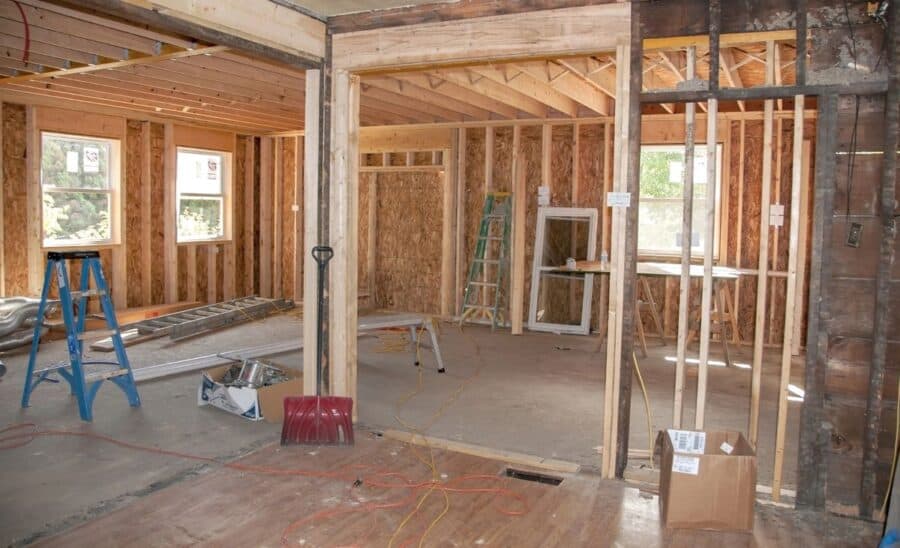
Limited Coverage During Renovations
Not all renovation work is covered by a standard policy. In fact, certain risks might be completely excluded, especially if you’re dealing with structural alterations, heavy machinery, or any work involving hazardous materials.
For example, if a contractor accidentally damages your home, your typical home insurance may not cover it, depending on the terms of your existing policy.
If your renovation involves any risks like these, it’s wise to look into extending your coverage. In some cases, you may need additional policies, such as a contractor’s all-risk policy, that specifically cover damage or loss resulting from construction work.
What If You Have to Move Out?
Sometimes renovations are extensive enough that you need to move out temporarily. In these cases, your home could be classified as an unoccupied property, which often reduces the coverage under your standard policy.
Many insurers place strict limitations on vacant properties, with coverage typically reducing or lapsing after 30 to 60 days of vacancy.
If your home is going to be unoccupied, you’ll want to consider unoccupied property insurance. This kind of policy can help bridge the gap, covering risks like theft, vandalism, or weather damage while you’re not living in the property.

Reassessing Your Policy Post-Renovation
Once the dust has settled and your renovations are complete, it’s time to reassess your house insurance. Upgrades can increase the value of your home, which means that your coverage also needs to reflect these changes. For instance, adding an extension or new luxury fittings will likely increase the rebuild cost of your property.
Make sure you update the rebuild value in your policy, and if you’ve installed high-value features like a new kitchen, ensure they’re included in your contents insurance. Contacting your insurer with updated valuations is a good way to avoid any nasty surprises should you need to make a claim in the future.
Emerging Trends and Why They Matter
While you’re focused on the emerging trends to incorporate in your renovation, like sustainable materials, smart home technologies, or that open-plan layout you’ve always dreamed of, don’t forget that these features may also impact your insurance needs.
Some smart home upgrades, for instance, could even lead to discounts on your policy if they improve the safety or security of your home.
Stay Covered and Stay Informed
In conclusion, renovating your home can bring huge rewards, but it’s crucial not to overlook your house insurance during renovations.
By notifying your insurer, adjusting your policy for any gaps and reassessing your needs once everything is complete, you can ensure that your home insurance policy stays that way, comprehensive and reliable.
If you have any questions or concerns, contact your insurance provider early in the renovation planning process. Better safe than sorry, especially when it comes to protecting your home and your investment!
