
Want lower bills without ripping the house apart? The fastest wins to save energy with insulation are simple: stop heat escaping through your loft/roof, walls, floors, and draughty gaps, then keep controlled ventilation so the home stays dry and healthy.
Quick answer:
Start with loft insulation to 270–300 mm, then cavity wall insulation (where suitable), draught-proofing + ventilation and finally look at solid wall and floor upgrades. Each step reduces heat loss and can also improve your energy performance certificate (EPC) rating.
Save Energy with Insulation: Start Here (2-minute checks)
- Loft depth: under 270 mm? That’s instant, affordable savings.
- Wall type: pre-1920s is often solid wall; 1920s onwards usually cavity (check first).
- Cold corners/condensation: note problem rooms – prioritise these.
- Paperwork: keep evidence; improvements can help your energy performance certificate (EPC) and future resale.
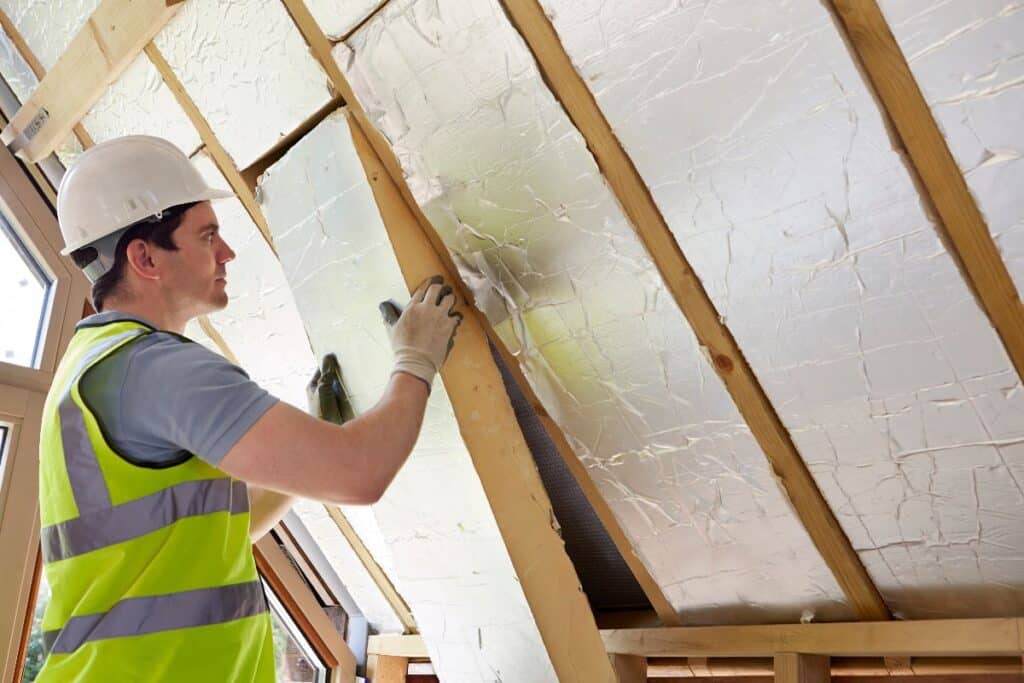
Loft & Roof: Biggest, Easiest Win
- Target depth: 270–300 mm mineral wool (or equivalent). If the loft is a room, insulate at the rafters (“warm roof”) instead of only at the floor.
- Storage without squashing: compressing rolls kills performance – use raised loft legs/boards if you need storage.
- Don’t forget details: insulate the loft hatch, keep eaves vents clear so the roof can breathe.
Refreshing the space too? Borrow ideas from Bedroom Reset for Autumn – Simple Seasonal Upgrades to make warmth go further.
Cavity Walls: Fast Results (When Suitable)
Many homes from the 1920s onward have cavities that can be filled via small exterior drill holes. Common materials: mineral wool or beads.
- Great for: suitable brick homes with no unresolved damp.
- Not ideal for: walls exposed to persistent wind-driven rain or properties with existing defects – survey first.
- Paper trail: keep installer assessment and guarantees for your files and energy performance certificate (EPC) notes.
Upgrading windows at the same time? See energy-efficient ways to double-glaze sash windows.
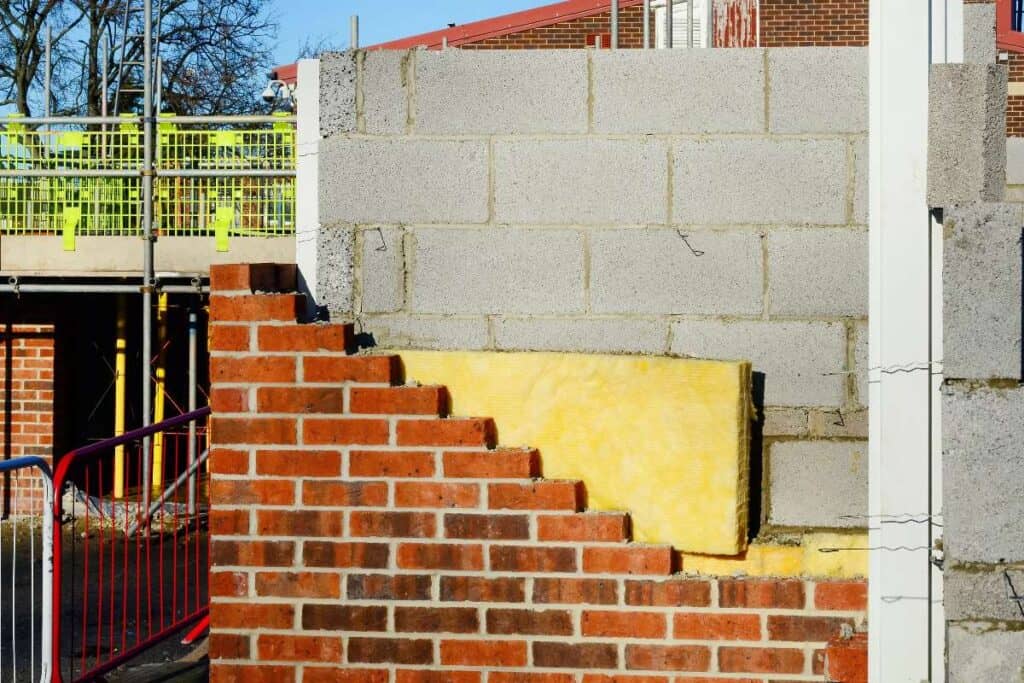
Solid Walls: Internal vs External “Wrap”
No cavity? You can insulate inside (room-by-room) or outside (whole façade).
- Internal wall insulation (IWI): flexible, staged room updates; expect slight floor-space loss and redecoration.
- External wall insulation (EWI): highly effective and less indoor disruption but higher upfront cost and may change the exterior look (planning can apply).
- Breathability matters: choose vapour-open systems and detail carefully around reveals to avoid moisture traps.
Floors & Cold Spots: Quiet Heat Leaks You Can Feel
- Suspended timber floors: fit between-joist insulation with a wind-tight, breathable membrane; mind ventilation to the void.
- Concrete slabs: when replacing flooring, consider insulated underlay; full slab insulation is usually a major refurb job.
- Pipes & voids: insulate accessible hot water pipes; line or seal draughty service boxes and skirting gaps.
Quick wins that layer well: Small home improvements that make a huge difference.
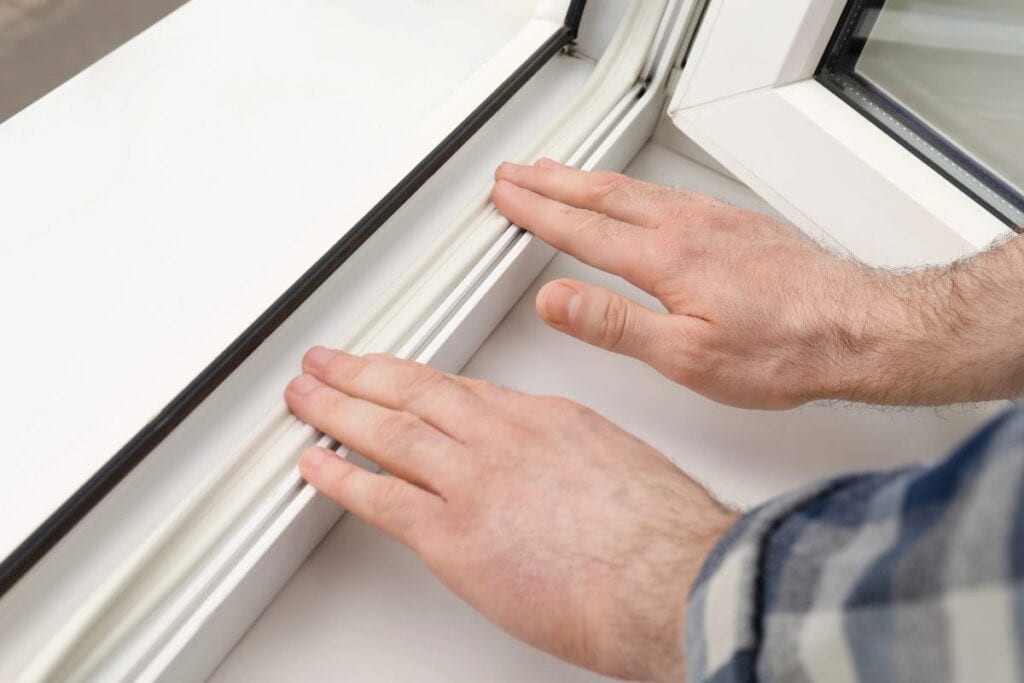
Draught-Proofing and Ventilation (You Need Both)
- Seal the random leaks: letterboxes, keyholes, floorboard gaps, loft hatches, unsealed window/door frames.
- Keep fresh air on your terms: use trickle vents, effective kitchen/bath extract, or consider continuous MEV if you’ve tightened the house a lot.
- Windows & doors: replace failed seals/gaskets before you commit to full replacements.
Pair with: Cost-effective ways to keep a house warm.
Installers, Grants & “Is It Worth It?”
- Right order, right result: typically loft → walls → floors → windows/doors for the best value stack.
- DIY vs pro: simple loft top-ups can be DIY; cavities, solid walls and floors → qualified installers only.
- Keep evidence: photos, certificates, warranties – all handy for your energy performance certificate (EPC), insurers and future buyers.
- Payback: varies by house/usage, but insulation pays back because it reduces waste 24/7, year-round.
If your boiler is older, these tips help: Increase the lifespan of your boiler.
FAQs: Save Energy with Insulation (Straight Answers)
What thickness should loft insulation be?
Aim for 270–300 mm total depth (or equivalent in other materials). If the loft is a living space, insulate at the rafters.
How do I tell if I have cavity or solid walls?
A stretcher-bond brick pattern (all bricks lengthways) often indicates a cavity; mixed headers can suggest solid walls. When in doubt, get a professional survey – don’t drill to “check”.
Can cavity wall insulation cause damp?
It can if installed where exposure is high or defects exist. A proper survey checks exposure, pointing, flashings and ventilation before recommending.
Do I still need ventilation after draught-proofing?
Yes. You want controlled fresh air (trickle vents/extract), not random draughts.
Internal or external wall insulation – which is better?
Both work. External is excellent for whole-house performance; internal is flexible and staged. Choose based on budget, disruption and planning.
Keep It Simple, Layer the Wins
To save energy with insulation, do the easy, proven steps first: loft to 270–300 mm, fix obvious draughts, then tackle walls, floors, and targeted glazing. Keep rooms breathable, keep your paperwork and upgrade in sensible phases. That’s how bills drop and comfort rises – without drama.
