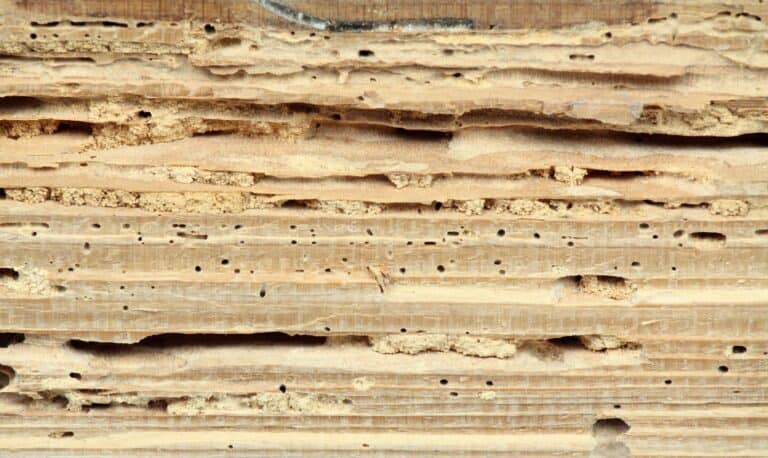
In most cases, termite damage isn’t covered by home insurance because insurers class it as gradual, preventable damage (maintenance), not a sudden accident like storm damage or a burst pipe. That’s why people only discover the exclusion when they try to claim… and the repair quotes come back terrifying.
If you want to avoid nasty money surprises like this, this guide on how to avoid unexpected household bills is a really handy one to bookmark.
If you’re in an area such as Brisbane, the risk can feel even higher. Warmth, humidity and heavy rain create the kind of conditions termites love, which makes prevention more important than ever.
The simple reason insurers say “no”
Home insurance is designed to cover unexpected events that happen suddenly, such as:
- storms and hail
- fire
- burst pipes
- theft and vandalism
Termites don’t fit that model. They usually cause damage slowly, over time and they often stay hidden inside walls, floors and roof timbers. Insurers argue that because termites can be detected (and sometimes prevented) with routine inspections and maintenance, the responsibility sits with the homeowner.
It’s annoying. It’s also the standard approach across most policies.
Why homeowners miss termites until it’s expensive
Termites are not polite enough to announce themselves.
The early “signs” can look like normal house stuff:
- doors sticking
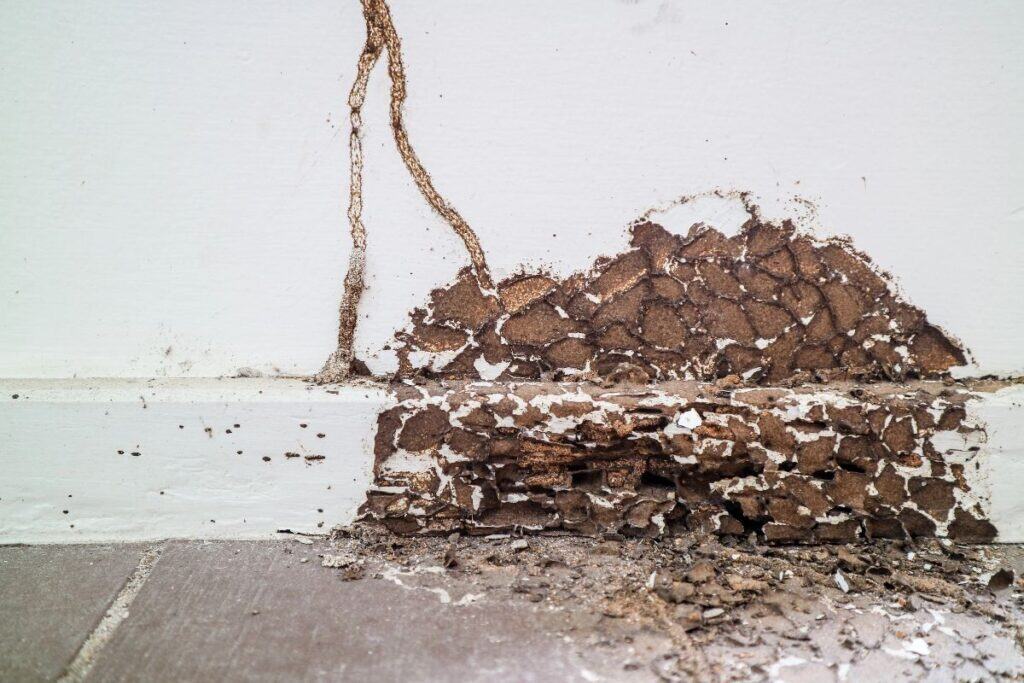
- skirting boards that look slightly off
- tiny cracks
- floors that feel a bit soft
- a window frame that suddenly doesn’t sit right
A lot of people assume it’s shifting, humidity, age, or just general “homes are a pain” behaviour. The problem is termites eat timber from the inside out, so everything can look fine until the damage is already well underway.
This is exactly why claims get denied, by the time the damage is visible, it’s usually been happening for months (sometimes longer).
Midway note from a Brisbane-based expert: Eddy from EPM Pest Control says they’re often called out after people notice soft skirting boards or jammed doors, but by then the damage is typically extensive and that’s when homeowners find out insurance won’t help.
What to do instead (because hoping isn’t a plan)
You can’t force an insurer to pay for something the policy excludes, but you can cut your risk dramatically with a few practical steps.
1) Book regular termite inspections
Annual inspections are a solid baseline. If your home is in a higher-risk area (or you’ve had flooding, drainage problems or ongoing damp), more frequent checks may be worth it.
2) Ask about termite barriers and treatments
Physical or chemical barriers can reduce the chance of termites reaching the structure. A professional can advise what makes sense for your soil and property type.
3) Control moisture around your home
Fix leaking taps, pipes and air con drains. Make sure water drains away from the house and that subfloor areas aren’t staying damp. A lot of this is basic home upkeep, so these home improvement tips and tricks are worth bookmarking for quick, practical wins.
4) Keep mulch and garden beds away from walls
Mulch, soil and timber right up against the house can hide entry points and make inspections harder. Leave a clear inspection zone.
5) Fix timber damage quickly
Rotting or damaged wood attracts termites. Replacing it early can remove an easy “food source” before a colony moves in.
These steps cost far less than major repairs and they give you control where insurance doesn’t.

Check your policy before you need it
Even though termite damage is commonly excluded, your policy wording still matters. Read your Product Disclosure Statement (PDS) and look for exclusions around pests, maintenance and gradual damage.
Some policies may include limited cover for secondary damage in specific scenarios, but don’t assume, always check.
If you’ve renovated, upgraded, or changed anything major recently, it’s worth checking your cover properly, here’s a handy guide on upgrade house insurance during renovations.
Don’t wait for damage: your next steps
Termite damage is rarely insured because it develops slowly and is considered preventable with routine care. The smartest move is to treat termites like a maintenance risk, not an insurance “maybe”.
If you’re unsure what your policy covers or you suspect your home might be at risk, speak to a local pest professional sooner rather than later, because the cheapest time to deal with termites is always before they make themselves comfortable in your walls.
