This post contains affiliate links. Sim’s Life may earn a small commission at no cost to you.
Older UK homes lose around 15-20% of their heat through draughts alone, according to Historic England, and roughly 20% of UK housing stock was built before 1919.
The good news is that draught-proofing original sash windows can cut air infiltration by up to 86% and most of the changes that genuinely warm a period home are gentler than full replacement. Repair, insulate, layer and seal in the right order, and you’ll keep the character that made you fall for the house in the first place.
Knowing how to keep an old house warm without losing its character is the puzzle every period home owner faces. The deep skirtings, the original floorboards, the windows that look at you rather than past you, they were not built with thermostats and energy bills in mind.
Find the Draughts Before You Spend a Penny
Before booking a single tradesperson, walk around the house on a windy evening with the back of your hand near the usual suspects: window frames, letterboxes, loft hatches, skirting boards, unused fireplaces.
If your curtains move slightly when the windows are shut, that’s your answer. The Energy Saving Trust reports that professional draught-proofing for windows and doors saves around £85 a year in Great Britain, modest on paper, but a noticeable shift in how a room actually feels.
The aim isn’t to seal the house up like a Tupperware box. Older buildings need to breathe and trapped moisture causes more problems than draughts ever do. You’re after the uncontrolled gaps, the kind that make a sofa feel chilly even with the heating on.
Draught-proofing should not mean removing useful ventilation altogether. If moisture is starting to collect on the glass, our guide to how to stop condensation on windows explains what to change before mould becomes a problem.
Repair Original Windows Before You Replace Them
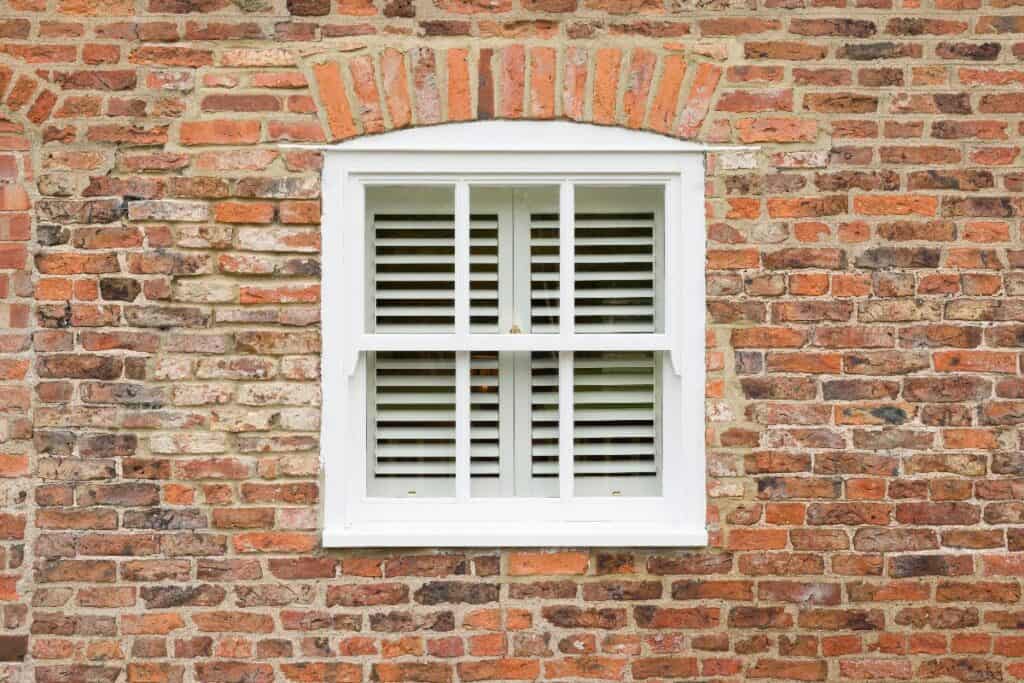
This is the bit most people get wrong. Original timber sash windows aren’t a lost cause, they were designed to be repaired.
Loose sashes, failing putty and worn cords can be eased, draught-proofed and reglazed in sections, which is part of why original windows that are a hundred years old are often still working while uPVC units fitted in 2005 are already failing. Historic England research shows draught-proofing alone can reduce air infiltration through a sash window in good condition by up to 86%.
If you’ve been quoted for replacement units and felt a bit queasy about losing the proportions, glazing bars or joinery details that give the house its face, you’re right to pause.
There’s a useful read on whether old windows can be made energy efficient that’s worth a look before you commit.
For homes with original timber sashes, a heritage specialist like Six over Six Windows will look at restoration, sympathetic double glazing retrofitting and proper draught-proofing, which usually keeps the character intact and the heating bill saner.
Dress Windows for Warmth (Not Just Looks)
Curtains and blinds aren’t a substitute for proper repair, but they make a room feel warmer surprisingly fast. Heavy interlined curtains, Roman blinds, shutters, anything that creates an extra layer between you and the cold glass at night.
Older windows can also let in a surprising amount of outside sound. If you are dealing with traffic as well as draughts, these tips for reducing road noise through windows are worth checking before replacing the frames.
Hang them high and wide and watch where your radiators sit. There’s no point pulling lovely curtains over a radiator and roasting the wall behind. If you’re torn between fabric and fixed options, this guide on choosing between curtains and blinds is genuinely helpful for working out what suits each room.
Loft Insulation Earns Its Keep
Warm air rises, which is why the loft is one of the highest-return upgrades in any older home. The Energy Saving Trust estimates that proper loft insulation can save up to £270 a year on a typical semi-detached, and around 25% of household heat escapes through an uninsulated roof. Topping up to the recommended 270mm is often less disruptive than touching the windows or walls.
If you store boxes up there, you’ll need raised boarding so the insulation isn’t squashed flat, compressed insulation barely works. And keep eaves ventilation clear. There’s more on the bigger picture in this guide to insulating your home to reduce energy loss, which is a sensible starting point.
Sort the Cold Floors
Original floorboards are gorgeous and draughty in equal measure. A large wool rug with decent underlay makes an immediate difference underfoot, not a structural fix, but a real one and an easy place to start if you’re renting or saving for bigger works.
For something more permanent, gaps between boards can be sealed with flexible filler designed for timber movement and suspended floors can sometimes be insulated from below where access allows. Be careful not to block underfloor airflow, though or you’ll trade cold feet for damp joists.
Block Unused Chimneys (the Right Way)
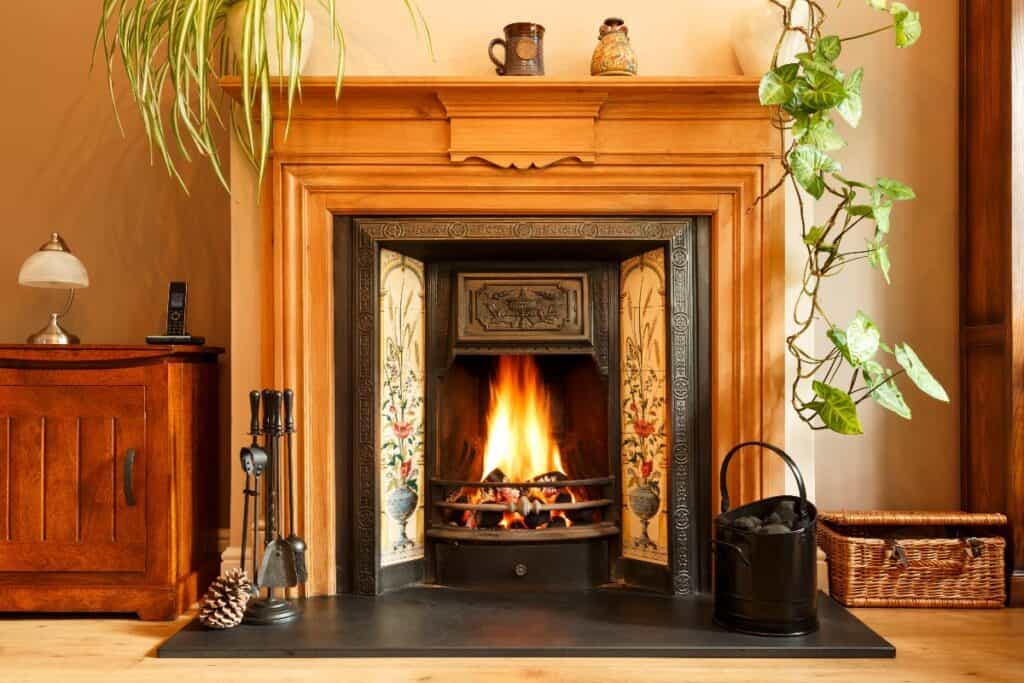
An open, unused chimney is essentially a permanent vent to the sky. A friend who renovated a Victorian terrace in Didsbury swore by chimney balloons after spending one winter watching the heating bill climb while warm air drifted up the flue.
A removable chimney draught excluder, a chimney sheep, a balloon or a purpose-made cushion can stop a surprising amount of heat loss while keeping the fireplace looking like itself. The key word is removable. Stuffing newspaper up there and forgetting about it is a recipe for damp.
How to Keep an Old Property Warm Room by Room
Older homes don’t behave like a single space. A north-facing front room will feel different to a south-facing kitchen at the same thermostat setting.
Thermostatic radiator valves, properly bled radiators, reflective panels behind radiators on external walls and being honest about which rooms actually need heating all day, these add up.
If the heating itself is becoming expensive to run, these ways to save money on heating cover thermostat settings, radiator use and simple changes that can cut waste without making the house uncomfortable.
Move the sofa off the radiator while you’re at it. There are more practical small changes in this round-up of cost-effective ways to keep your house warm that pair well with the bigger jobs.
Don’t Forget Seasonal Maintenance
Comfort in an older home is partly a one-off project and partly a habit. Before winter, look at peeling paint on window frames, sticking sashes, swollen doors, blocked gutters, slipped tiles and the loft hatch seal.
Catching a small timber defect in October is much cheaper than dealing with rot in February. This list of DIY jobs to complete before autumn covers the basics. Damp also matters here, a damp room feels colder than a dry one at the same temperature, so extractor fans, ventilation when drying laundry indoors and a watchful eye on condensation are all part of staying warm.
For the quicker wins, texture, layers, lighting, the way a room feels, there are some lovely small ideas in these cosy home updates that don’t involve scaffolding.
Common Questions About Warming a Period Property
How much heat does an older UK home actually lose? Historic England estimates that older buildings can lose 15-20% of their heat through draughts alone, on top of losses through walls, roofs and floors. Around 20% of UK housing stock was built before 1919, when energy efficiency wasn’t a design priority.
Can original sash windows really be made energy efficient? Yes, often. Professional draught-proofing can reduce air infiltration through a sash window in good condition by up to 86%, according to Historic England research. Combined with secondary glazing or sympathetic retrofit double glazing, the difference is significant, without losing the original look.
Is it worth blocking up an unused fireplace? Yes, but with a removable solution like a chimney balloon or sheep’s wool excluder, not a permanent block. Chimneys still need some airflow to prevent damp and decay. The Department for Energy Security and Net Zero estimates blocking an unused chimney can save around £35 a year.
What’s the cheapest first step? Draught-proofing. Stick-on foam strips for windows and doors, a proper letterbox cover and a chimney balloon together cost very little and reduce the cold-air feeling almost immediately. Loft top-up insulation is the next best return per pound spent.
Will sealing my house cause damp? It can, if you go too far. Older homes were built to breathe, so the goal is to stop uncontrolled draughts while keeping sensible ventilation, extractor fans in kitchens and bathrooms, trickle vents where appropriate, and not blocking flues for working fires.
Putting It All Together
Character isn’t the enemy of comfort. The features that make a Victorian terrace, Edwardian semi or country cottage worth living in can almost always be repaired, draught-proofed, insulated and dressed for winter, without ripping out the soul of the house.
Start with the gaps you can feel, layer up from the loft down, and bring in a heritage specialist for the bits that need a proper hand. A warmer old house should still feel like an old house. That’s the whole point.
